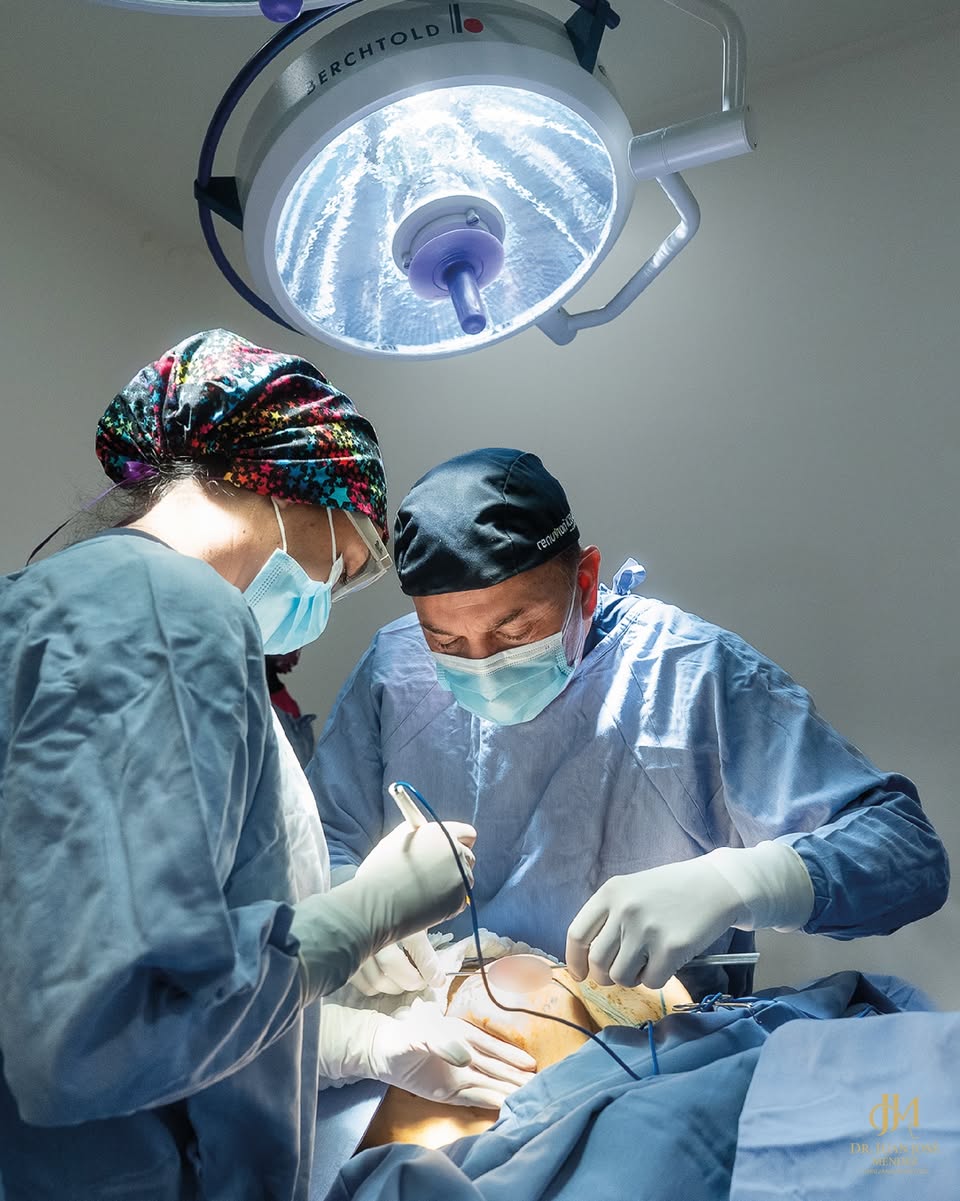
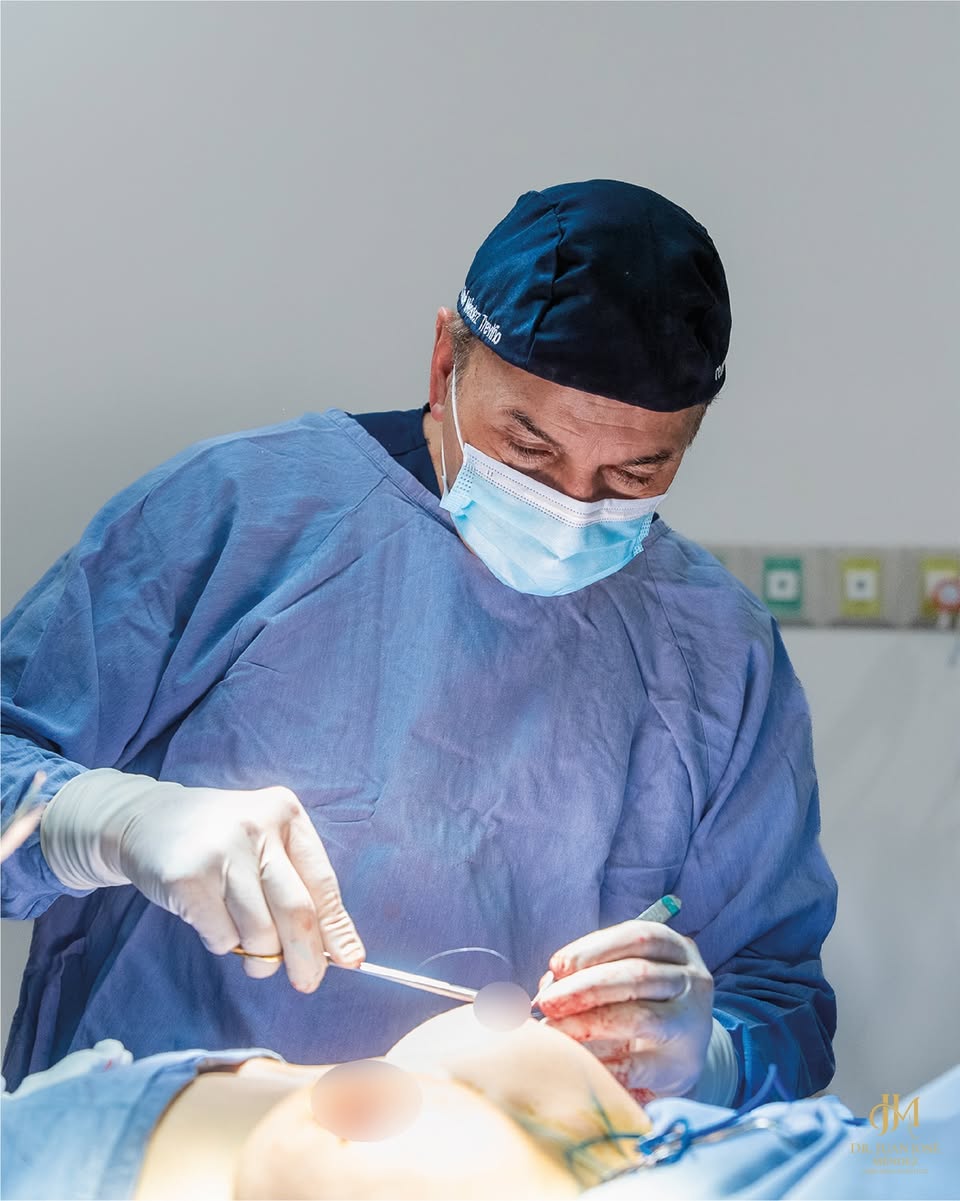
Removes tissue and skin to give the breasts a proportionate size and relieve back, neck and shoulder pain. It is one of the surgeries with the highest patient satisfaction.
The goal is not only aesthetic: many patients arrive with grooves in their shoulders from bra straps, neck pain and rashes under the breasts. A reduction resolves all of that and gives a lighter shape.
Sensation is preserved and, in most cases, so is the ability to breastfeed; we talk about it openly if you are planning pregnancies.
Is it for me?
Back, neck or shoulder pain from the weight of the breasts.
Difficulty exercising or finding clothes that fit.
Marked asymmetry.
What you should know
How it is done, how to care for it, and what to expect.
General information so you arrive at your consultation with the right questions. Your plan is defined during the consultation.
Technique
Anchor or vertical pattern depending on the volume to be removed.
Pedicle that preserves blood supply and sensation to the areola.
Lateral liposculpture for a clean contour.
Aftercare
Wire-free support bra for 6 weeks.
Sleep propped up for the first week.
Scar care and sun protection.
Results and how long they last
Immediate relief; final shape at 3 months.
Risks and how they are reduced
Changes in sensation, difficulty breastfeeding and visible, planned scars. Low risk of partial areola loss in very large reductions.
Step by step
Recovery path: Breast reduction
Day 1
Overnight hospital stay; support bra.
Week 1
Drains removed and follow-up visit; back relief is immediate.
Month 1
Back to desk work in week 2; no high-impact exercise.
Month 3
Shape settled; scars maturing.
Approximate timelines. Your exact path depends on your case, the technique and how your body heals. Results vary.
Real cases
Results from Dr. Méndez's patients.
Real photographs shared with permission and faces covered, comparable with a before-and-after slider.