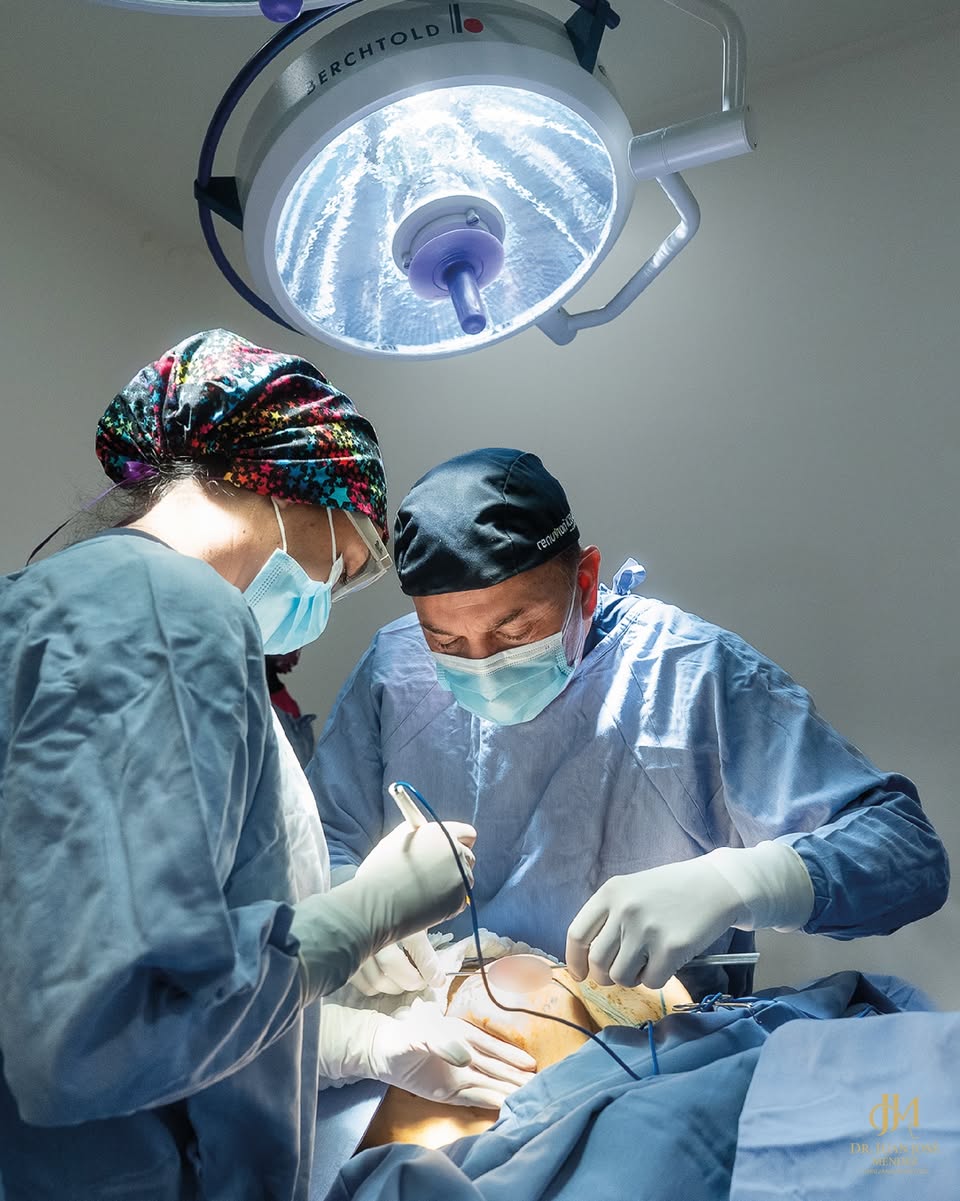
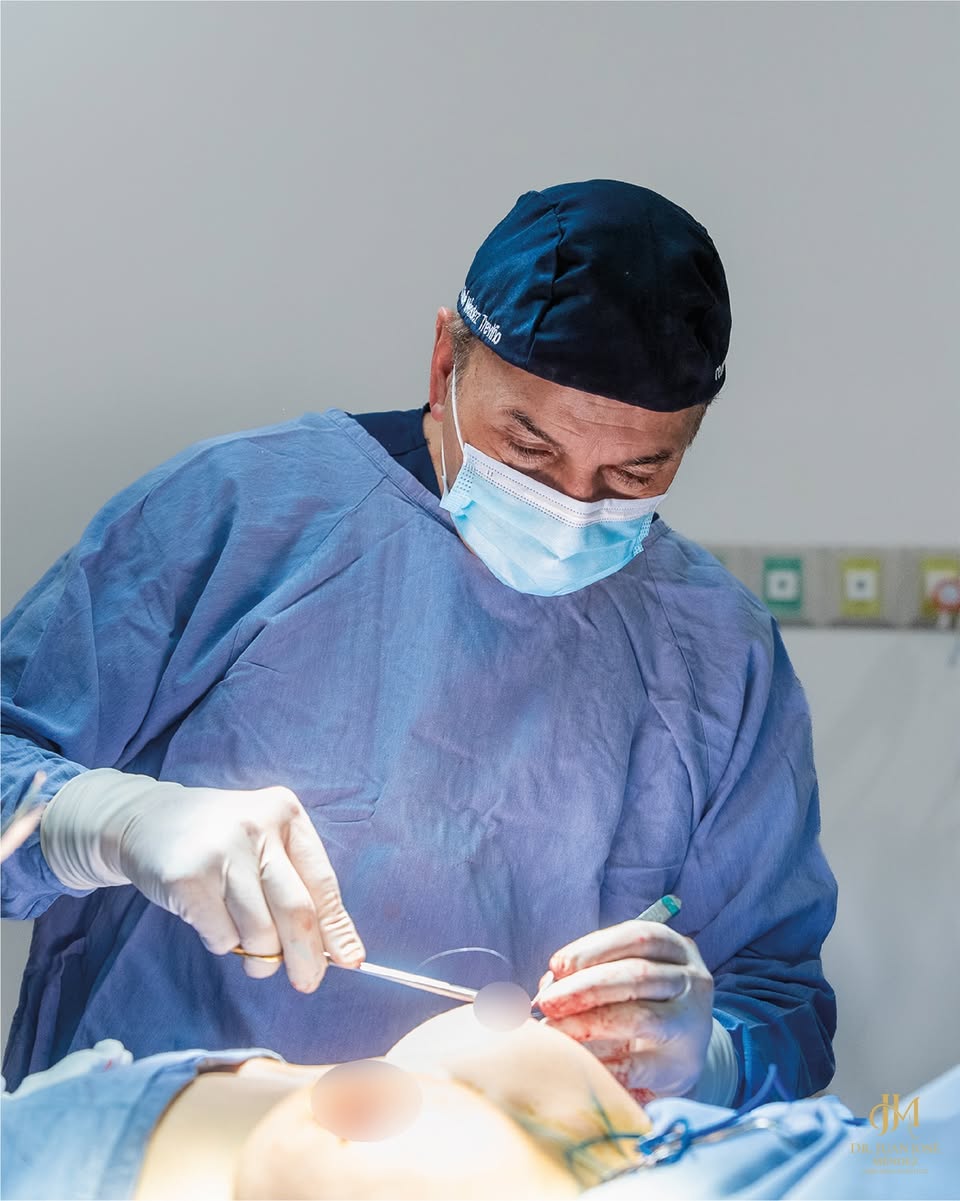
Removal of gland and fat from the male chest through a minimal incision at the edge of the areola, with liposculpture of the contour. It resolves a common concern that does not go away with exercise.
Gynecomastia is glandular tissue, not just fat, which is why diet and the gym do not get rid of it. Surgery combines liposuction with removal of the gland through a one-centimeter incision that is practically invisible.
The cause (hormonal, medications, anabolic steroids) is investigated before surgery, and the operation is done once weight is stable.
Is it for me?
Chest fullness or a glandular "button" beneath the areola.
Discomfort wearing fitted clothing or at the pool.
Young adults whose gynecomastia did not resolve after adolescence.
What you should know
How it is done, how to care for it, and what to expect.
General information so you arrive at your consultation with the right questions. Your plan is defined during the consultation.
Technique
Liposculpture of the chest and lateral area.
Removal of the gland through a lower periareolar incision.
Compression vest to help the skin adapt.
Aftercare
Vest for 4 weeks.
No chest exercise for 3 weeks.
Sun protection on the scar.
Results and how long they last
Flat chest from the second week; final at the third month.
Risks and how they are reduced
Hematoma, minor asymmetries and, rarely, a depression from over-resection, which is avoided with conservative technique.
Step by step
Recovery path: Gynecomastia surgery
Day 1
Compression vest; home the same day.
Week 1
Sutures removed; normal activities.
Month 1
Progressive chest workouts.
Month 3
Final result; scar imperceptible.
Approximate timelines. Your exact path depends on your case, the technique and how your body heals. Results vary.
Real cases
Results from Dr. Méndez's patients.
Real photographs shared with permission and faces covered, comparable with a before-and-after slider.