

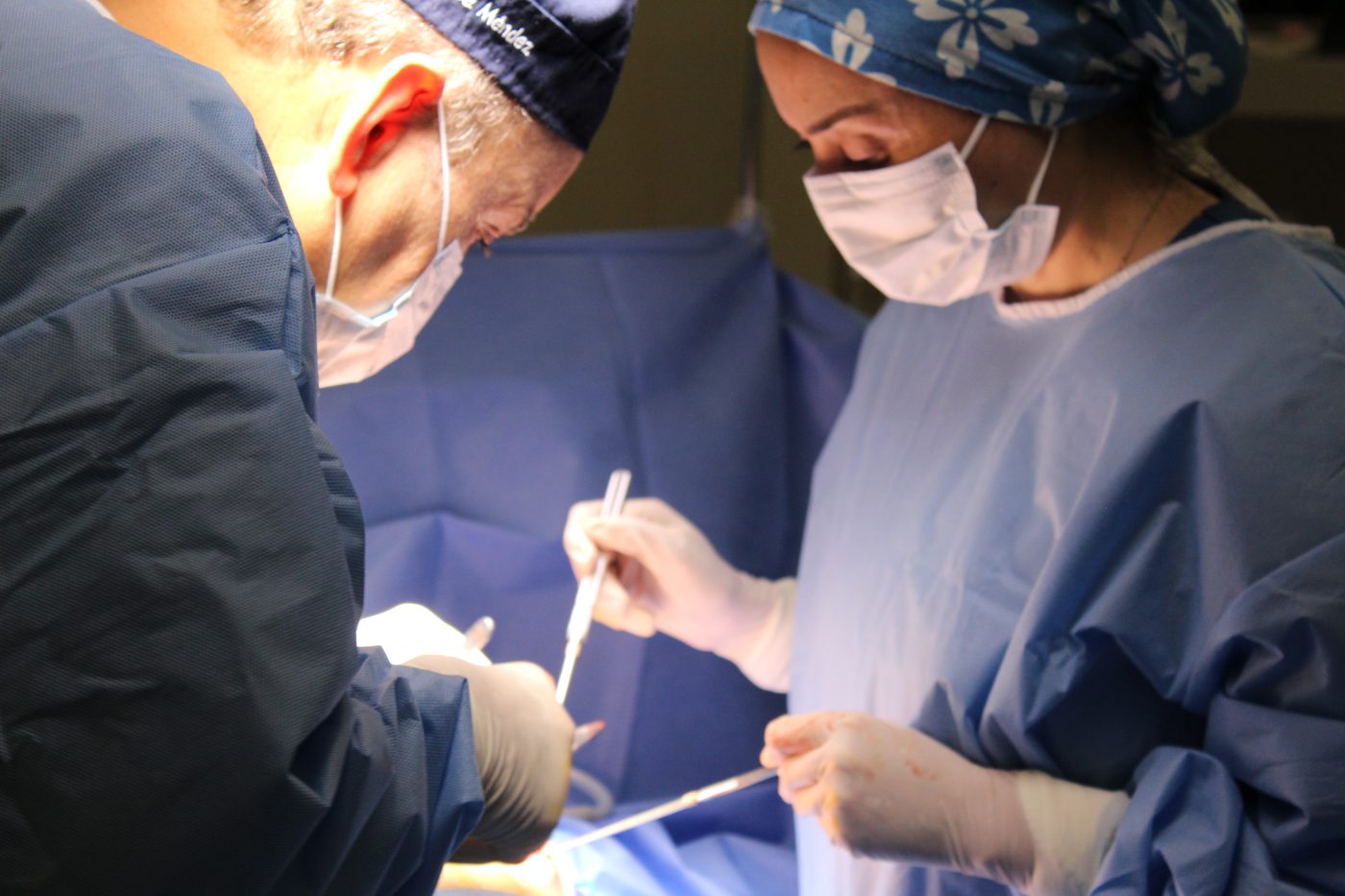
How to Choose a Plastic Surgeon in Mexico: 7 Questions to Ask Before Surgery
Board certification, hospital, anesthesiologist, expectations and follow-up. What you should verify before trusting anyone with your plastic surgery, explained by Dr. Méndez.
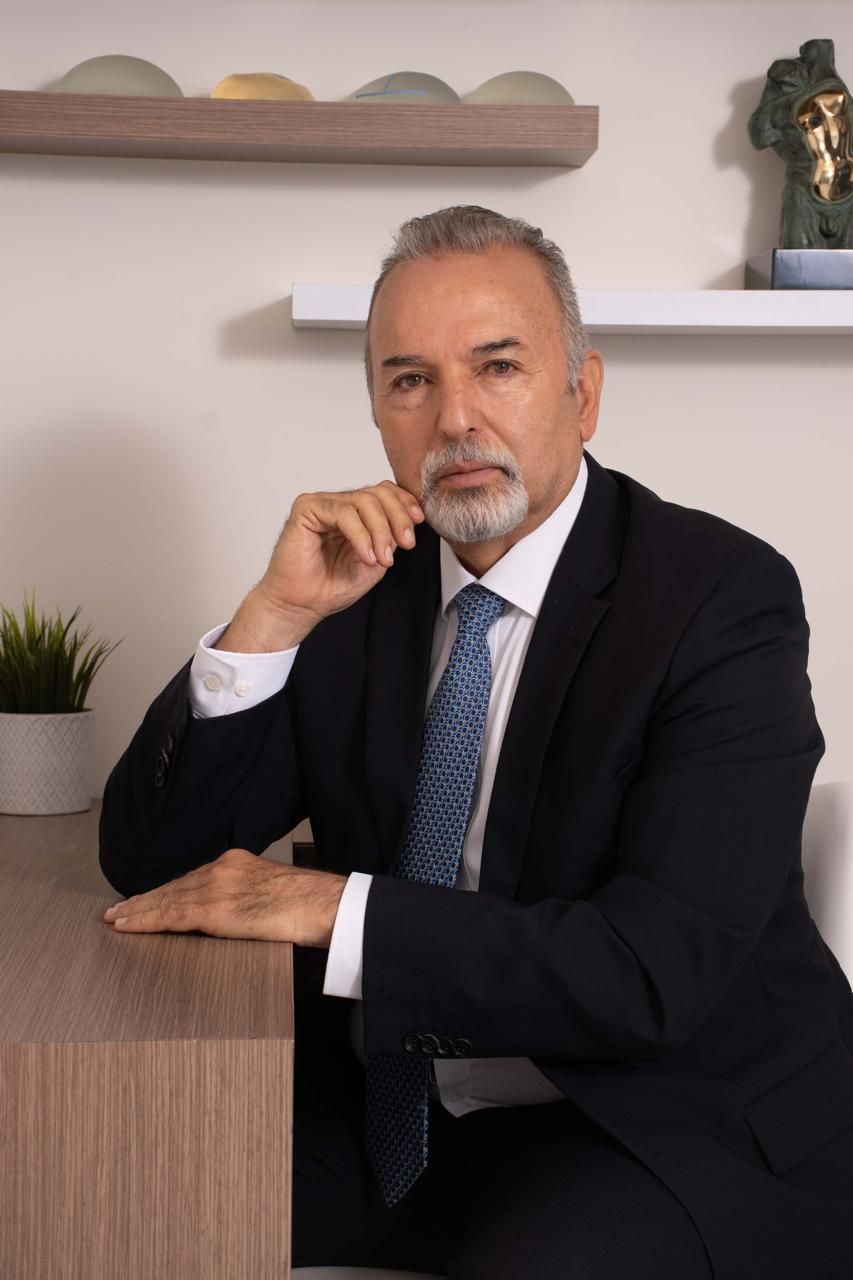
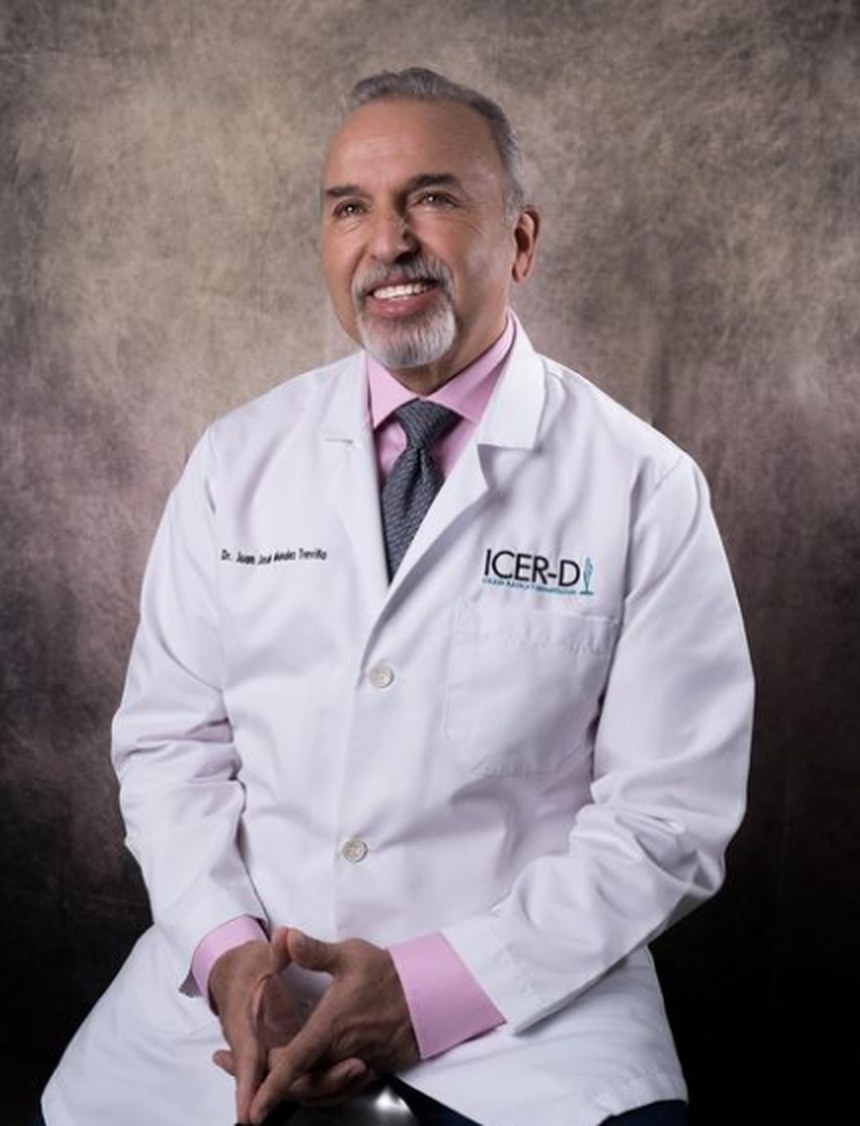 Dr. Juan José Méndez TreviñoBoard-certified plastic surgeon · CMCPER 911
Choosing your plastic surgeon is the single most important decision in the entire process. More than the technique or the price, what defines a good outcome is who operates on you, where they do it, and how they care for you afterward. These are the seven questions I recommend asking at any consultation, including mine.
1. Is the surgeon a board-certified plastic surgeon?
In Mexico, plastic surgery is a medical specialty that requires years of hospital residency after medical school. Current certification by the Mexican Council of Plastic, Aesthetic and Reconstructive Surgery (CMCPER) confirms that training and ongoing continuing education. An “aesthetic doctor” or a “cosmetic surgeon” does not necessarily have it. Ask for the surgeon’s specialty license number (cédula de especialidad) and verify it in Mexico’s National Registry of Professionals (Registro Nacional de Profesionistas).
2. Where will the surgery be performed?
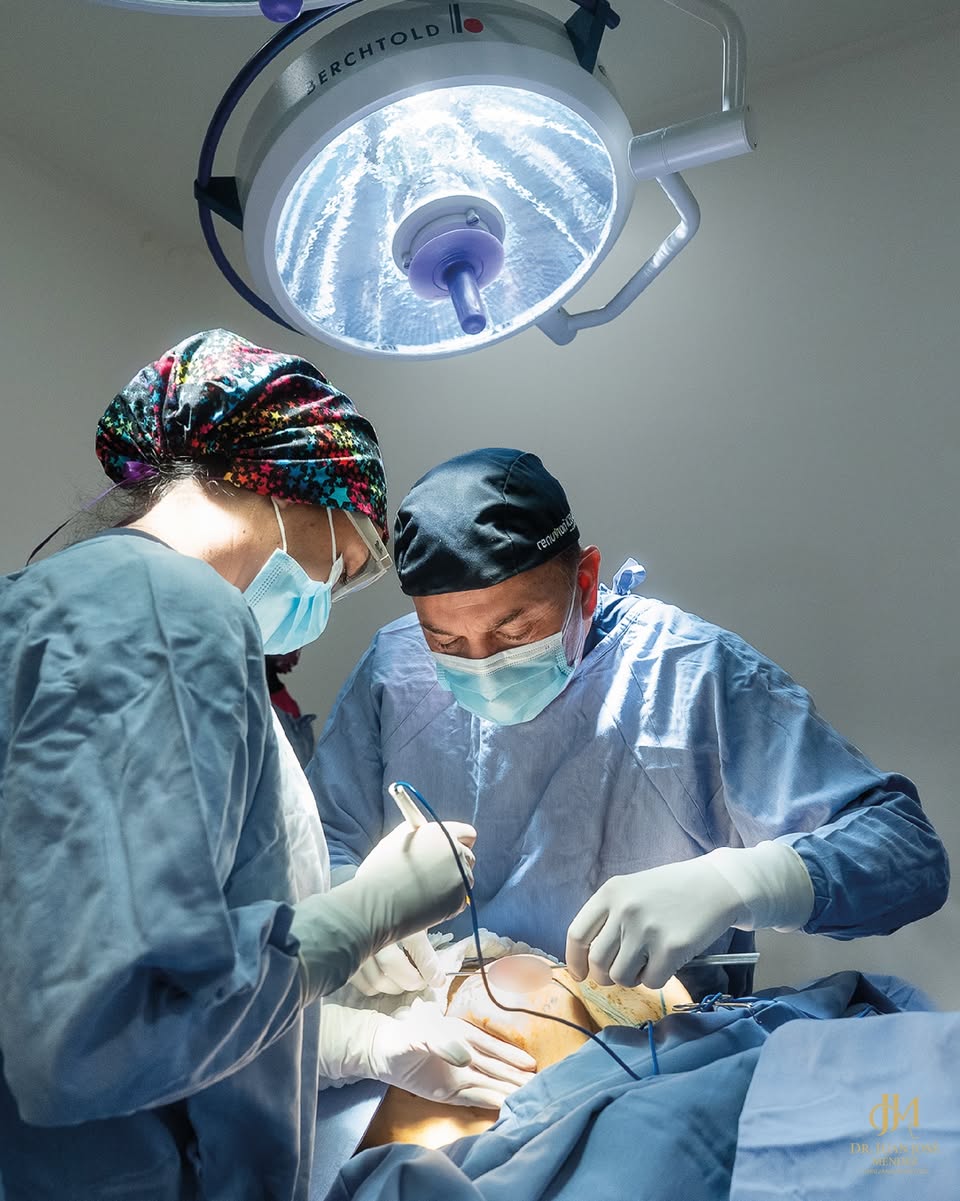
The right answer is: in a hospital or surgical facility with a valid health license, a fully equipped operating room and a recovery area. A converted office is not an operating room. Ask for the name of the hospital and, if you wish, visit it beforehand.
3. Who administers the anesthesia?
A board-certified anesthesiologist, present for the entire surgery, with continuous monitoring. This question may seem obvious, but many of the serious complications in cosmetic surgery happen because anesthesia was given without a specialist in the room.
4. What happens at the consultation?
A serious consultation includes a complete medical history, a physical examination, a frank discussion of your expectations and, when necessary, preoperative tests. If at your very first visit you are already being offered a surgery date and “promotions,” be wary. Plastic surgery is a decision made calmly.
5. Is the procedure I am asking for the one I actually need?
Sometimes a patient arrives asking for a technique they saw on social media, when what they really need is a different one, or none at all. A good surgeon will tell you no when a procedure is not right for you, even if that means not operating.
6. What is recovery really like?
Ask for specific timelines: when the stitches come out, when you can go back to work, when you can exercise, when the result settles. On our site you can use the recovery roadmap for each procedure as a starting point; at your consultation we tailor it to your case.
7. What does the quote include, and what happens afterward?
The quote should be in writing and include the surgeon’s and anesthesiologist’s fees, the hospital, supplies, implants if applicable, the post-surgical compression garment or bra, and the follow-up visits. Also ask what happens if a complication arises or if the result requires a touch-up.
One last piece of advice
Do not choose based on price or in a hurry. Look for someone who explains things clearly, who shows you their credentials without hesitation, and who gives you time to decide. Your safety and your result depend on that choice.
If you would like to discuss your case, schedule a consultation in Santa Fe, Mexico City, or in Saltillo, Coahuila. I will gladly answer these seven questions, and any others you bring.
This article is informational and does not replace a medical consultation. Results and recovery times vary from person to person.