


Mommy Makeover: What It Includes, When It Makes Sense and When It Is Better to Wait
Tummy tuck, liposculpture and breast surgery in a single operation. A plastic surgeon with 30 years of experience explains who is a candidate, how it is planned safely and what to expect from recovery.
 Dr. Juan José Méndez TreviñoBoard-certified plastic surgeon · CMCPER 911
The name sounds like a trend, but the surgery behind it is serious: two or three major procedures under a single anesthesia. When it is properly indicated and properly planned, the mommy makeover is one of the most rewarding surgeries I perform. When it is poorly indicated, it is a source of complications. Here I explain the difference.
What pregnancy leaves behind that exercise cannot fix
After one or more pregnancies, three structural changes remain:
- Diastasis recti. The abdominal muscles separate along the midline and the abdominal wall loses its firmness. Crunches do not close the gap; sometimes they make it worse.
- Excess skin. The skin was stretched beyond its ability to retract. It may be a small amount (only below the navel) or a great deal.
- Changes in the breasts. The glandular tissue that grew during breastfeeding is reabsorbed, and the breasts are left deflated, sagging, or both.
The mommy makeover addresses all three in the same surgical session.
What it includes, exactly
There is no fixed package. It is built around what each patient needs:
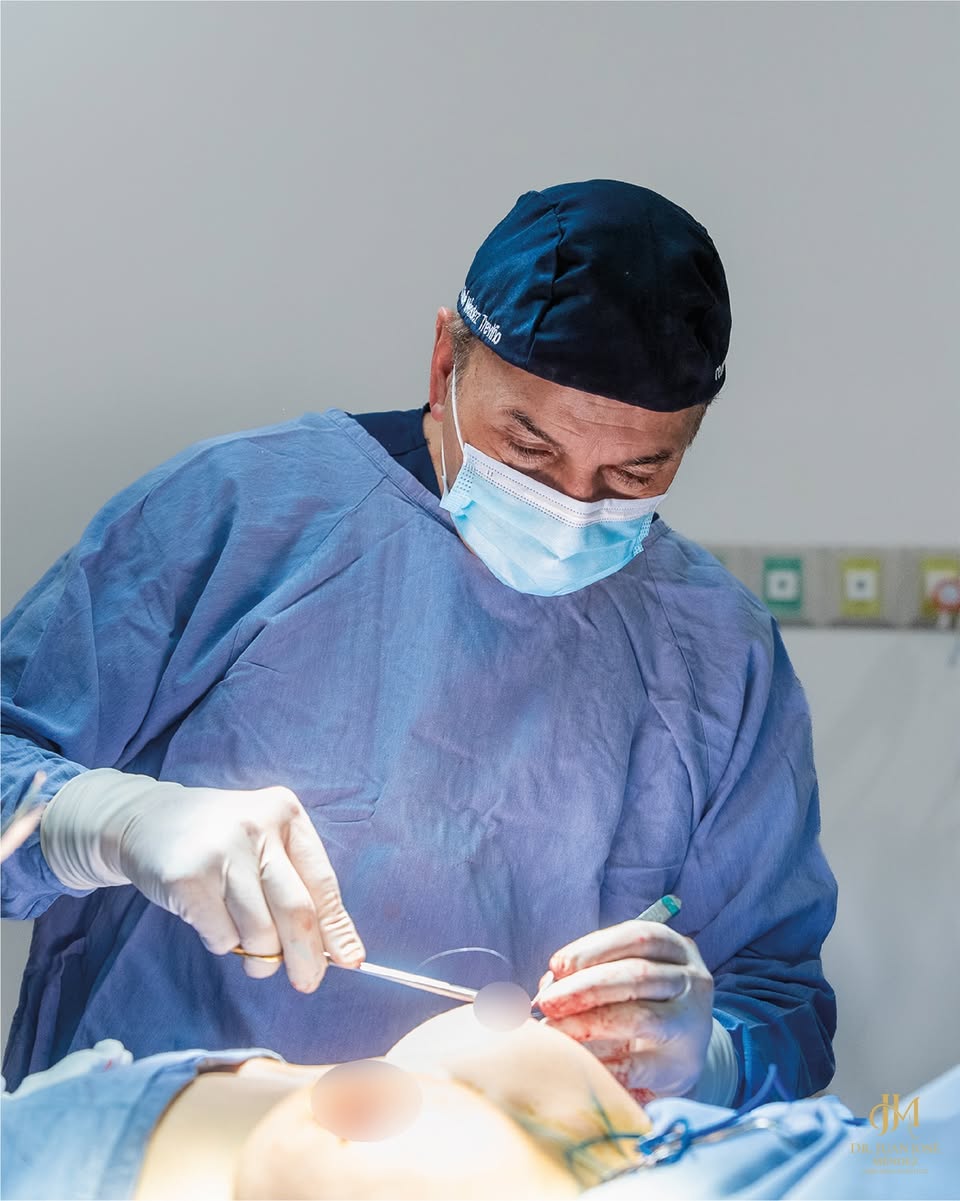
- Tummy tuck (abdominoplasty), full or mini, with repair of the diastasis and repositioning of the navel.
- Liposculpture of the flanks, lower back and, at times, the thighs, to define the waistline.
- Breast surgery: implants if volume is lacking, a breast lift (mastopexy) if the breasts have sagged, a reduction if there is excess, or a combination.
Some patients only need the abdomen and a lift; others, the abdomen and implants. The consultation defines the plan, not the marketing name.
Who is a candidate
- You have finished having children. A later pregnancy can undo part of the result.
- Your weight has been stable for at least six months and is close to the weight you want to maintain.
- You do not smoke: nicotine compromises healing, especially in a tummy tuck.
- You have no uncontrolled medical conditions (diabetes, high blood pressure, clotting disorders).
- You have support at home for the first two weeks, especially if there are young children.
When it is better to wait or to split the surgery
Saying no, or saying “not yet,” is part of my job:
- If you stopped breastfeeding less than six months ago, your breasts are still changing.
- If your body mass index is high, it is better to lose weight first; surgical risk goes up and the quality of the result goes down.
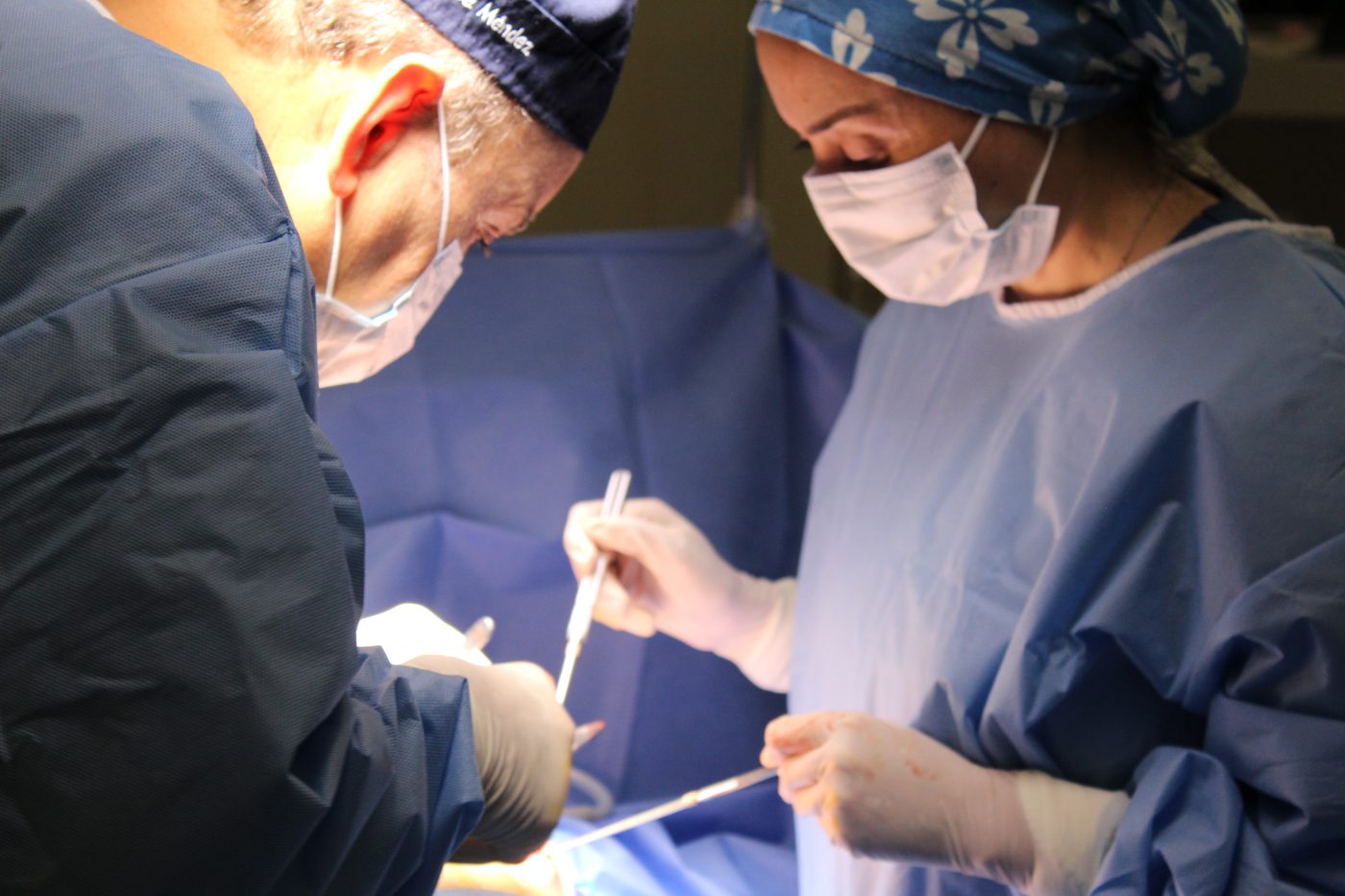
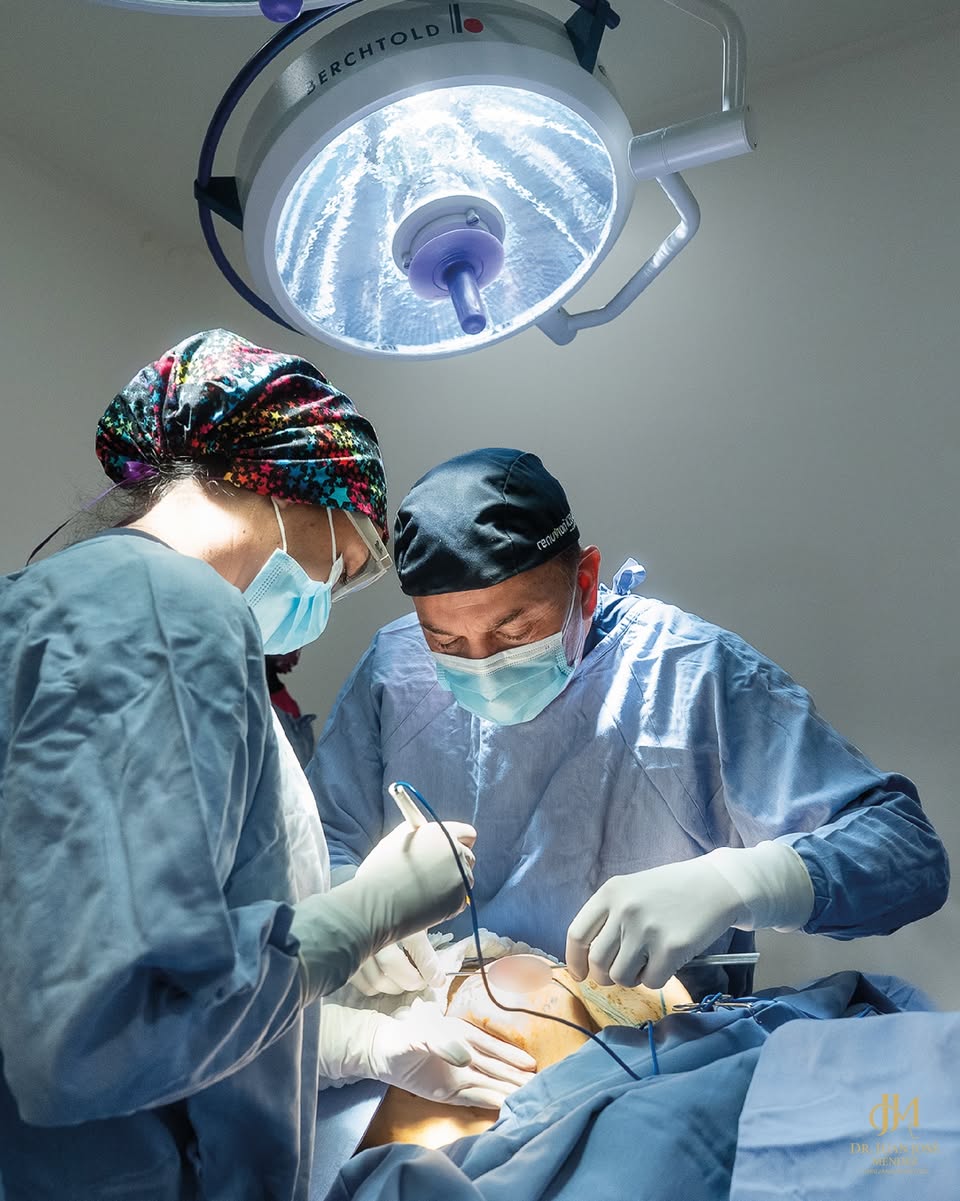
- If the combined procedures exceed a safe operating time (generally around six hours), the plan is split into two surgeries three to six months apart. That is not a failure of planning; it is the right planning.
How it is done safely
The risks of a combined surgery are controlled through concrete decisions:
- A licensed hospital and a board-certified anesthesiologist present for the entire surgery.
- DVT prevention: compression stockings, early mobilization and, when indicated, anticoagulant medication.
- A planned operating time that is respected.
- Temperature and fluid management throughout the surgery.
- Weekly follow-up visits during the first month.
If at a consultation you are offered “everything at once” without being asked about your medical history, your medications or your weight, seek another opinion.
What recovery is like, with no sugarcoating
| Stage | What to expect |
|---|---|
| Day 1 | Overnight stay in the hospital. Compression garment and post-surgical bra. You walk slightly bent forward. |
| Week 1 | Drains removed. Discomfort that is controlled with pain medication. Lymphatic drainage massage. |
| Weeks 2 to 3 | Return to desk work. No lifting more than 11 lb (5 kg). |
| Week 6 | Compression garment removed during the day. Light cardiovascular exercise. |
| Month 3 | Result visible and settling in. Abdominal exercises with clearance. |
| Year 1 | Mature scars. Final result. |
Every patient heals differently, and individual results vary.
What to ask before deciding
- Which hospital will the surgery be performed in, and who is the anesthesiologist?
- How long will the surgery take, and why is it safe to do it in a single session?
- What does the quote include: fees, hospital, anesthesia, implants, compression garment, follow-up?
- What happens if there is a complication or if I need a touch-up?
The answers should be clear and in writing. If they are, you are in good hands. If not, keep looking.
This article is informational and does not replace a medical consultation. Results and recovery times vary from person to person.