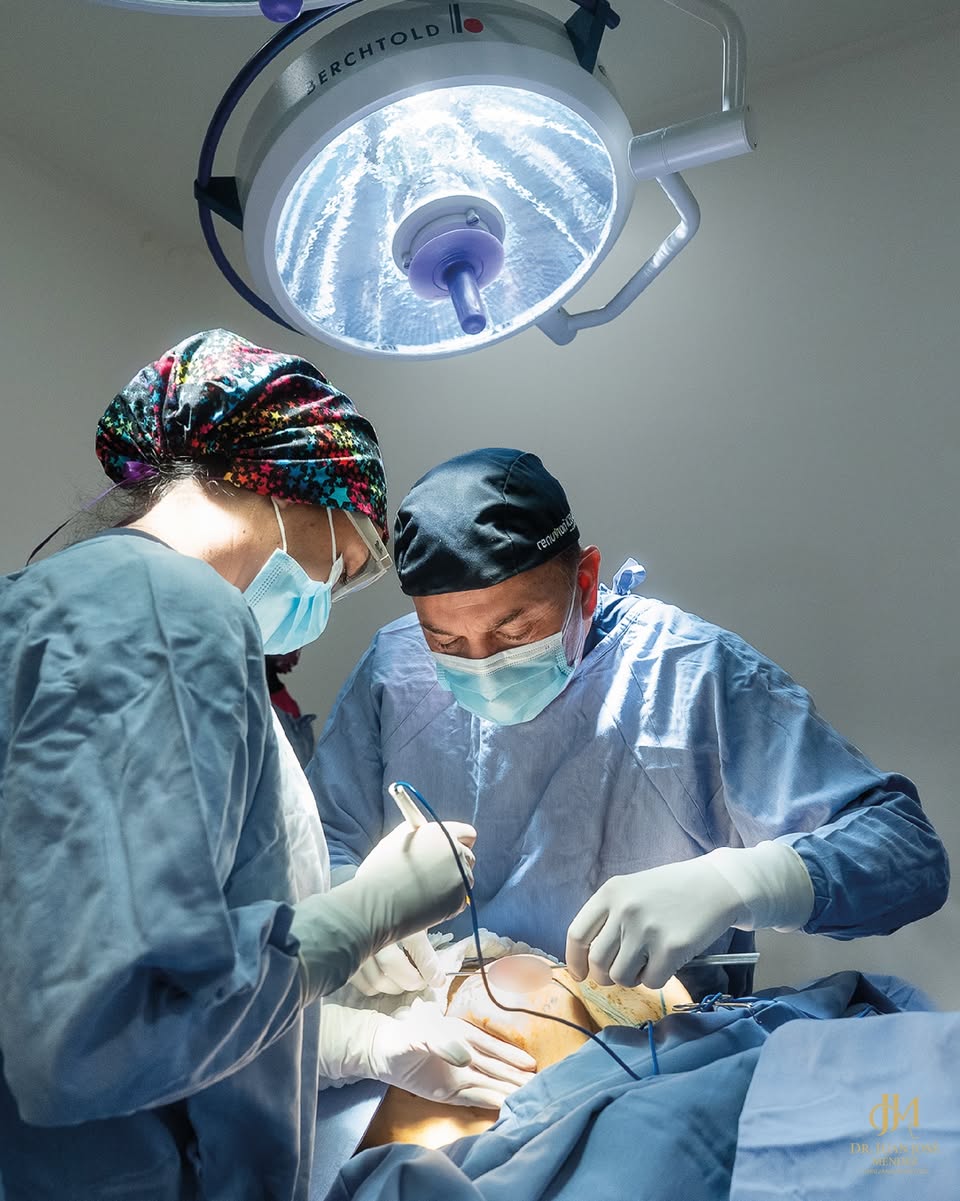
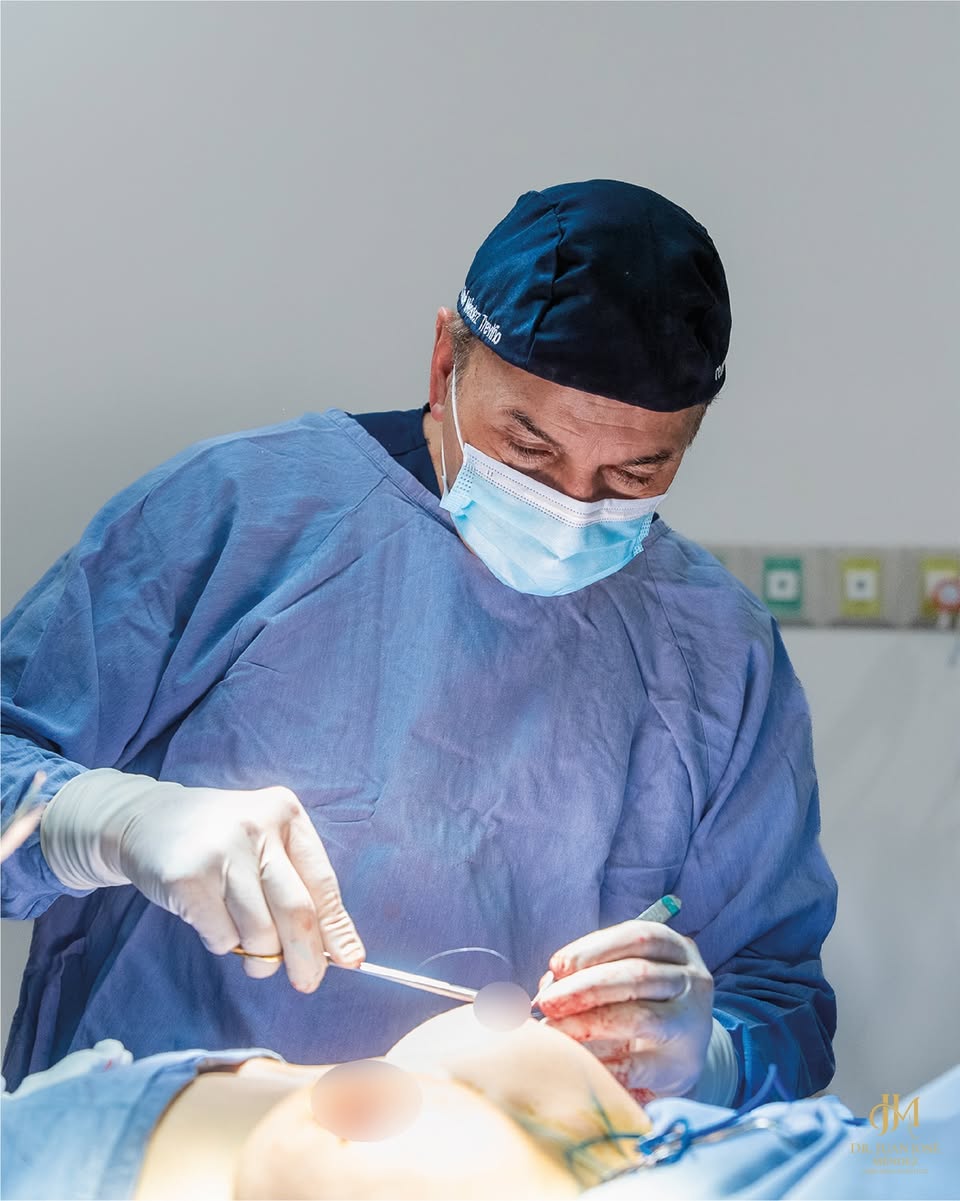
Extraction of follicles from the donor area and placement at the temples, crown, beard or eyebrows, with a naturally designed hairline and the correct orientation of each follicle.
The result depends on three things: the hairline design, the quality of the donor area and delicate handling of the follicles while they are outside the body. A hairline set too low or too straight is noticeable from thirty feet away.
It is complemented with medical treatment to preserve the hair you still have.
Is it for me?
Receding temples or a thinning crown, with a sufficient donor area.
Sparse eyebrows or beard.
Scars on the scalp.
What you should know
How it is done, how to care for it, and what to expect.
General information so you arrive at your consultation with the right questions. Your plan is defined during the consultation.
Technique
Hairline design according to age and features.
FUE extraction with a micromotor; follicles kept in a cold solution.
Implantation with planned orientation and density.
Aftercare
Gentle washing from day 3.
No direct sun or tight hats for 2 weeks.
Ongoing medical maintenance treatment.
Results and how long they last
Visible growth from month 4; full result at 12 months.
Risks and how they are reduced
Folliculitis, poor graft survival from improper care, and a donor area with pinpoint scars if over-harvested.
Step by step
Recovery path: Hair transplant
Day 1
Small scabs; sleep with your head elevated.
Week 1
Scabs fall off; gentle washing.
Month 1
Temporary shedding phase of the transplanted hair (normal).
Month 3
Growth begins; full result at 12 months.
Approximate timelines. Your exact path depends on your case, the technique and how your body heals. Results vary.
Real cases
Results from Dr. Méndez's patients.
Real photographs shared with permission and faces covered, comparable with a before-and-after slider.