Rhinoplasty refines the bridge, tip and width of the nose so it sits in balance with the face. When there is a deviated septum or enlarged turbinates, they are corrected during the same operation (septorhinoplasty): better shape and better breathing.
More than three decades of operating on noses teach you something: a nose is never designed on its own. It is designed together with the chin, the profile and the skin of each patient. A "catalog" nose stands out; a well-proportioned nose looks as if it had always been there.
A closed or open approach is chosen depending on the complexity of the tip, and preservation techniques are used whenever the anatomy allows. Secondary noses (previously operated) are evaluated with particular care.
Is it for me?
Prominent dorsal hump, wide or drooping tip, nose deviated after an injury.
Difficulty breathing due to a deviated septum or turbinates.
Previous rhinoplasty with an unsatisfactory result (revision).
What you should know
How it is done, how to care for it, and what to expect.
General information so you arrive at your consultation with the right questions. Your plan is defined during the consultation.
Technique
Analysis of the full profile (forehead, nose, lip, chin) and of the airway.
Preservation or structural rhinoplasty depending on the case; septoplasty and turbinate reduction when there is obstruction.
Grafts of your own cartilage (septum, ear or rib) in revisions.
Aftercare
Splint for 7 days and saline nasal rinses.
No nose blowing for 2 weeks; no glasses on the bridge for 6 weeks.
Sun protection for one year to prevent discoloration.
Results and how long they last
A clear change once the splint comes off; stable shape by the third month and final result at one year. Breathing improves within the first weeks.
Risks and how they are reduced
Bleeding, minor asymmetries and the need for a touch-up in a small percentage of cases. In revisions the risk is higher and is explained clearly before surgery.
Step by step
Recovery path: Rhinoplasty and septorhinoplasty
Day 1
External splint and nasal packing for 24 to 48 hours; sleep propped up.
Week 1
Splint removed; bruising fading; back to social life around day 10.
Month 1
Light exercise; no glasses resting on the nose and no impact to the area.
Month 3
Shape well defined; the tip finishes settling at one year.
Approximate timelines. Your exact path depends on your case, the technique and how your body heals. Results vary.
Real cases
Results from Dr. Méndez's patients.
Real photographs shared with permission and faces covered, comparable with a before-and-after slider.
BeforeAfter
BeforeAfter
Rhinoplasty · Patient 09
BeforeAfter
Rhinoplasty · Patient 01
BeforeAfter
Rhinoplasty · Patient 06
BeforeAfter
BeforeAfter
Rhinoplasty · Patient 11
BeforeAfter
BeforeAfter
Rhinoplasty · Patient 08
BeforeAfter
BeforeAfter
Rhinoplasty · Patient 04
Unretouched photos, published with the patient's informed consent. Results vary from person to person; your consultation decides what is possible in your case.



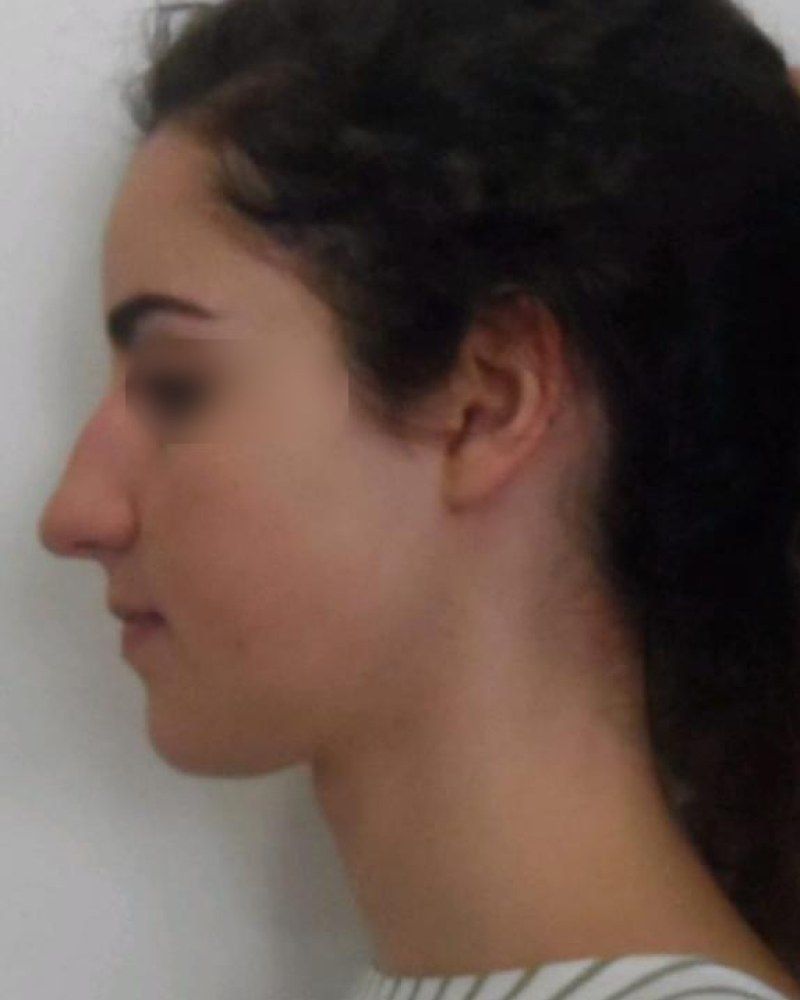 Before
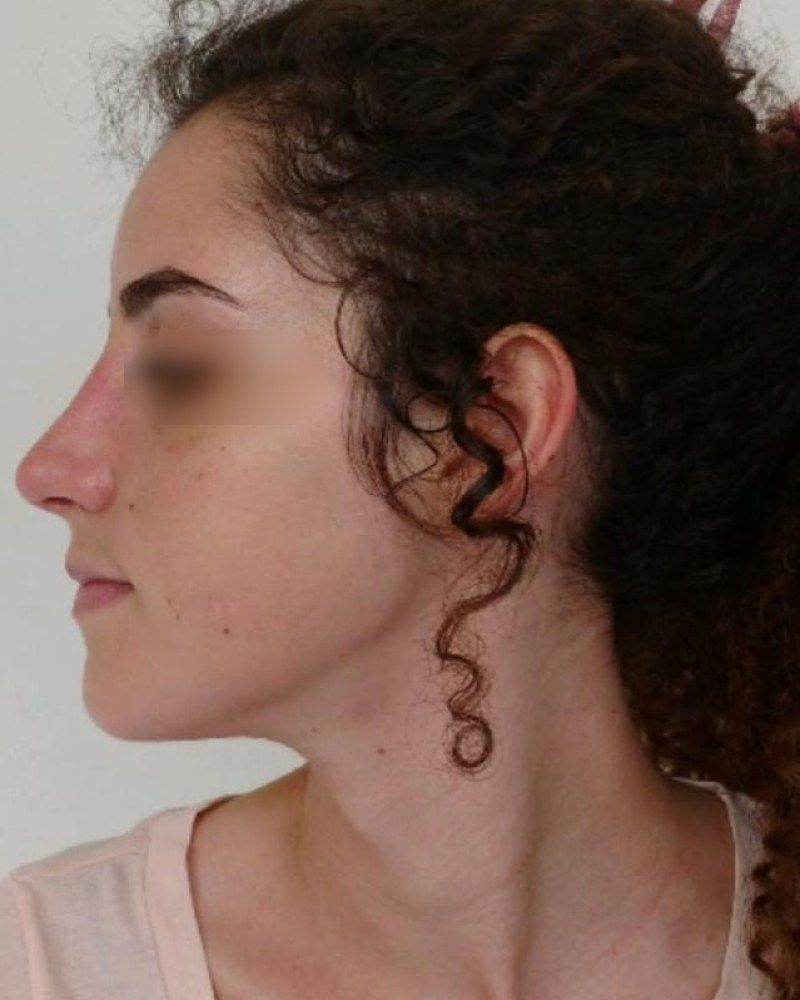 After
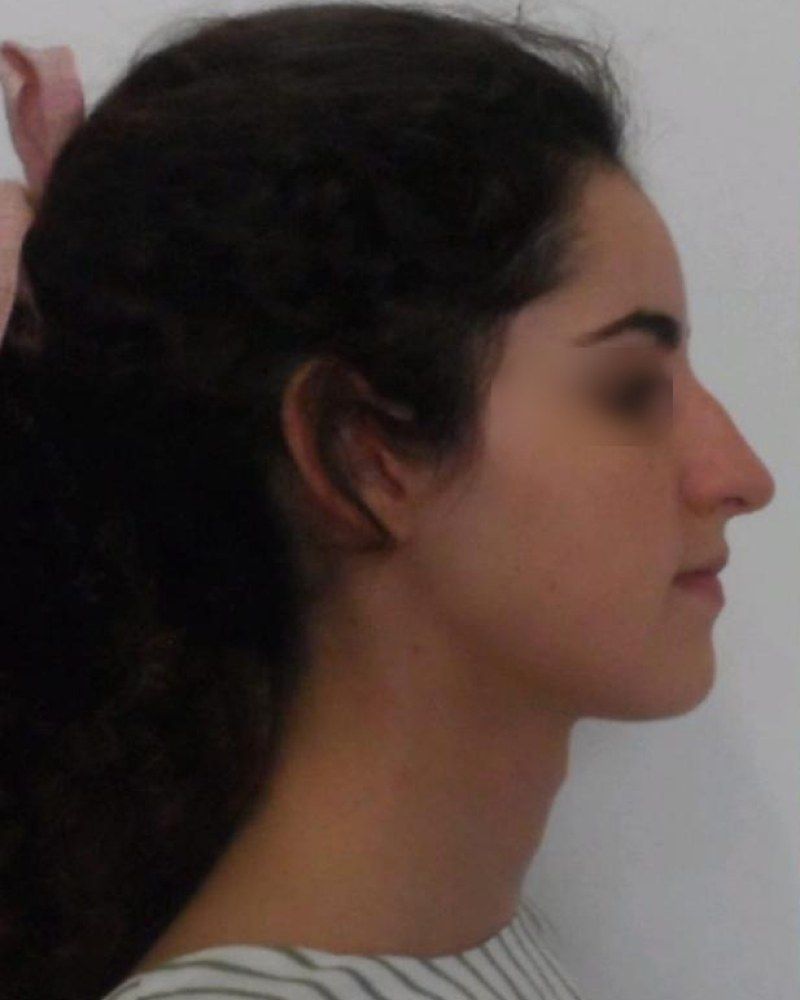 Before
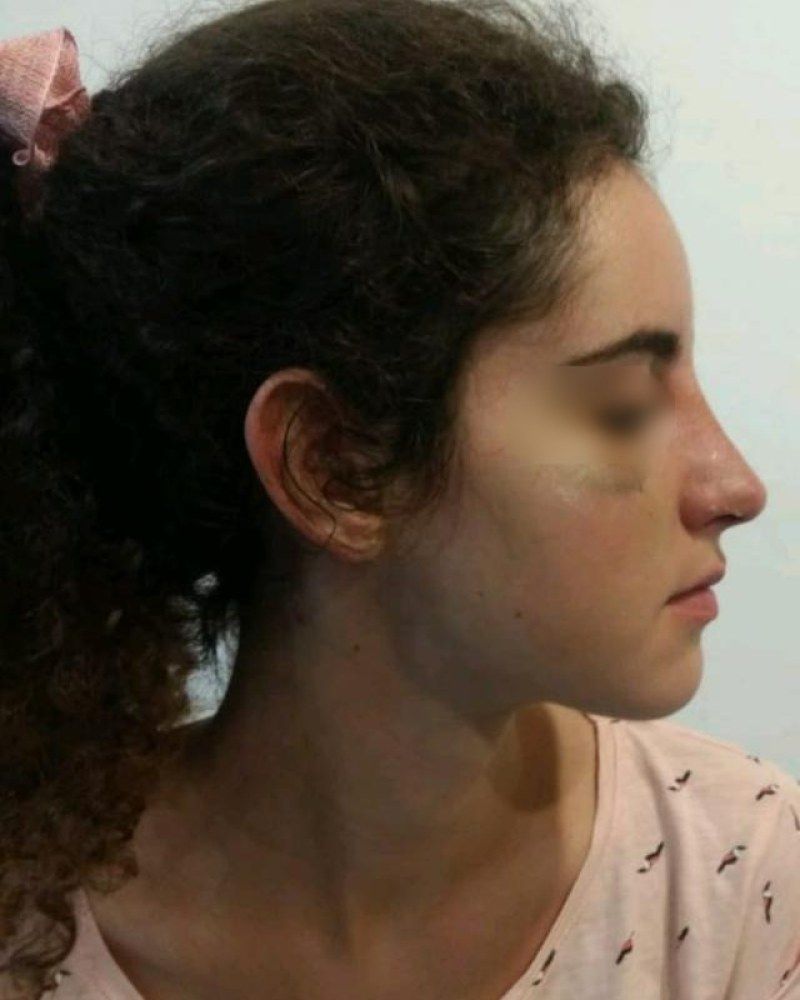 After
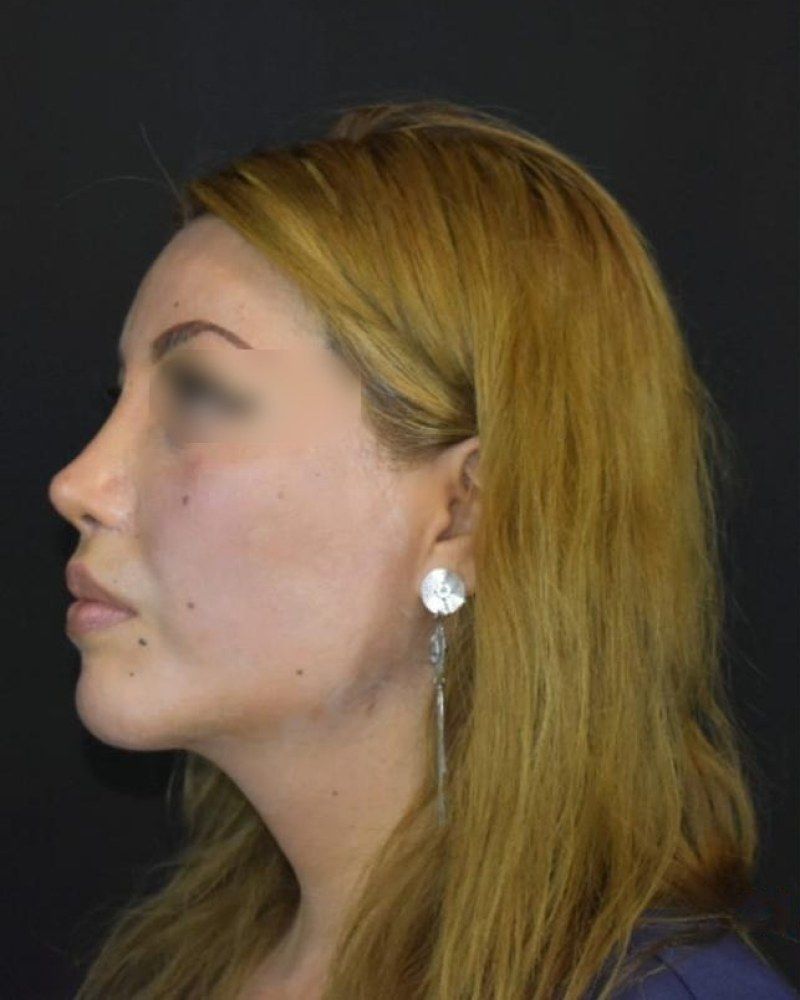 Before
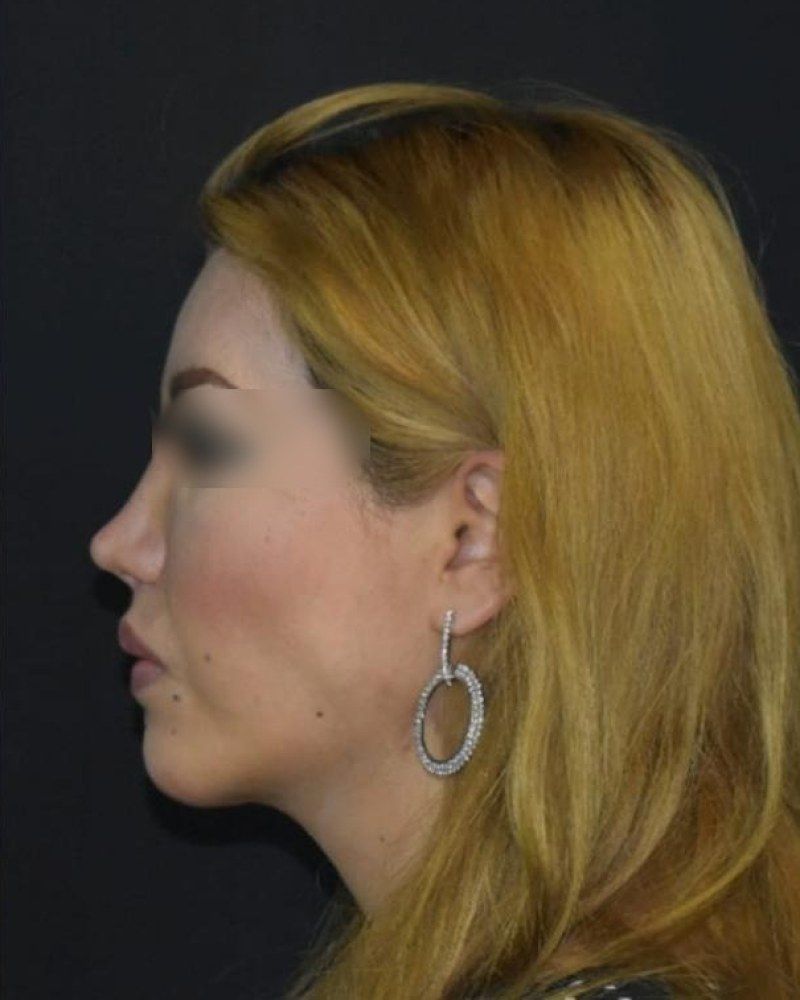 After
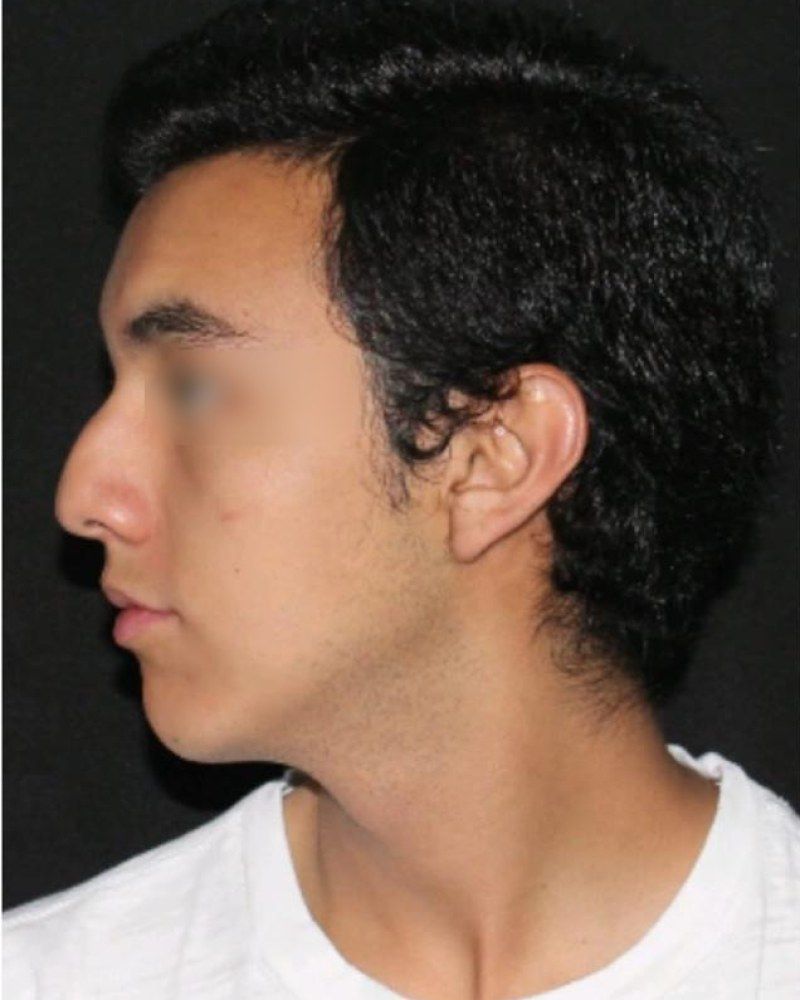 Before
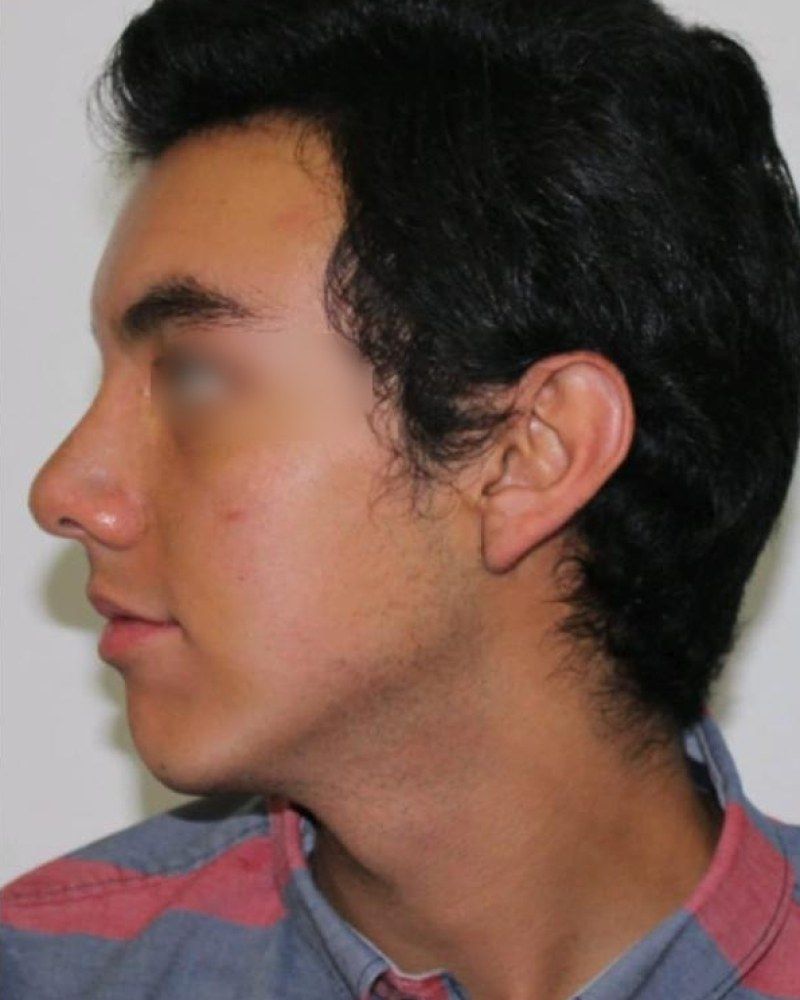 After
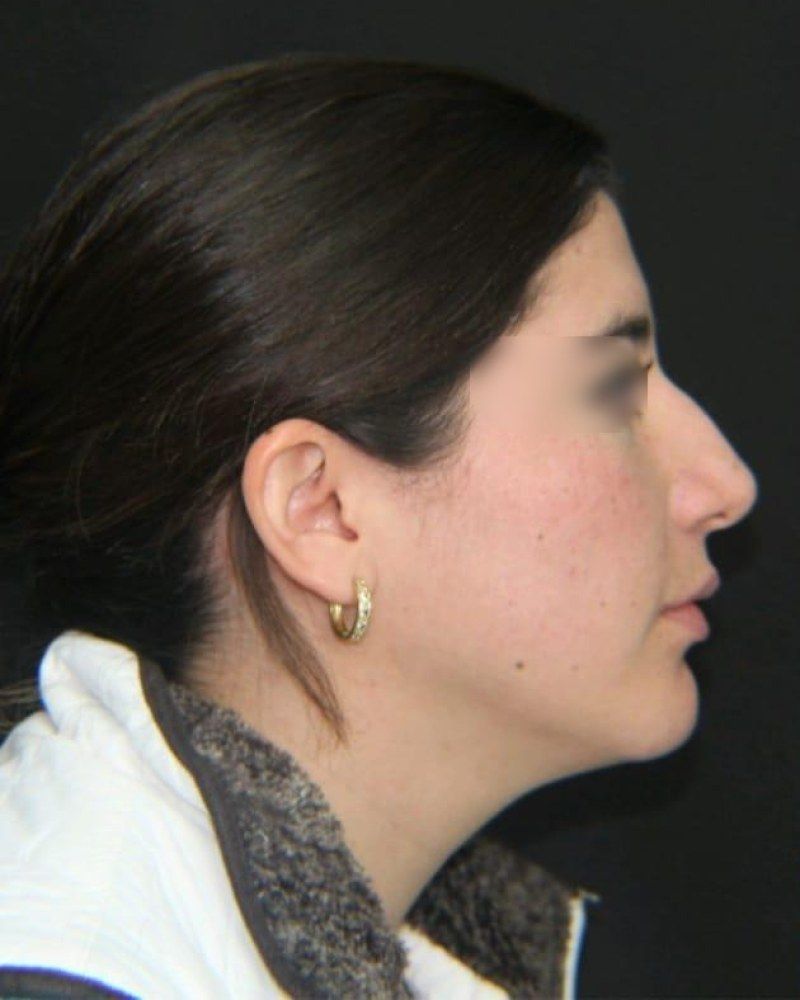 Before
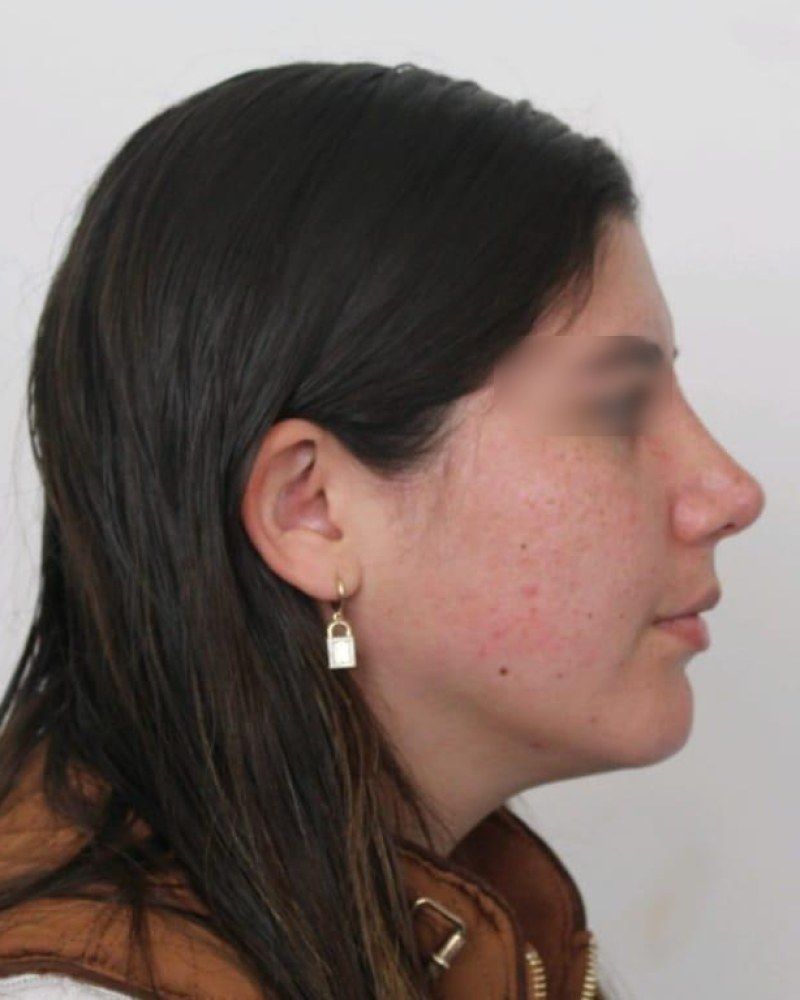 After
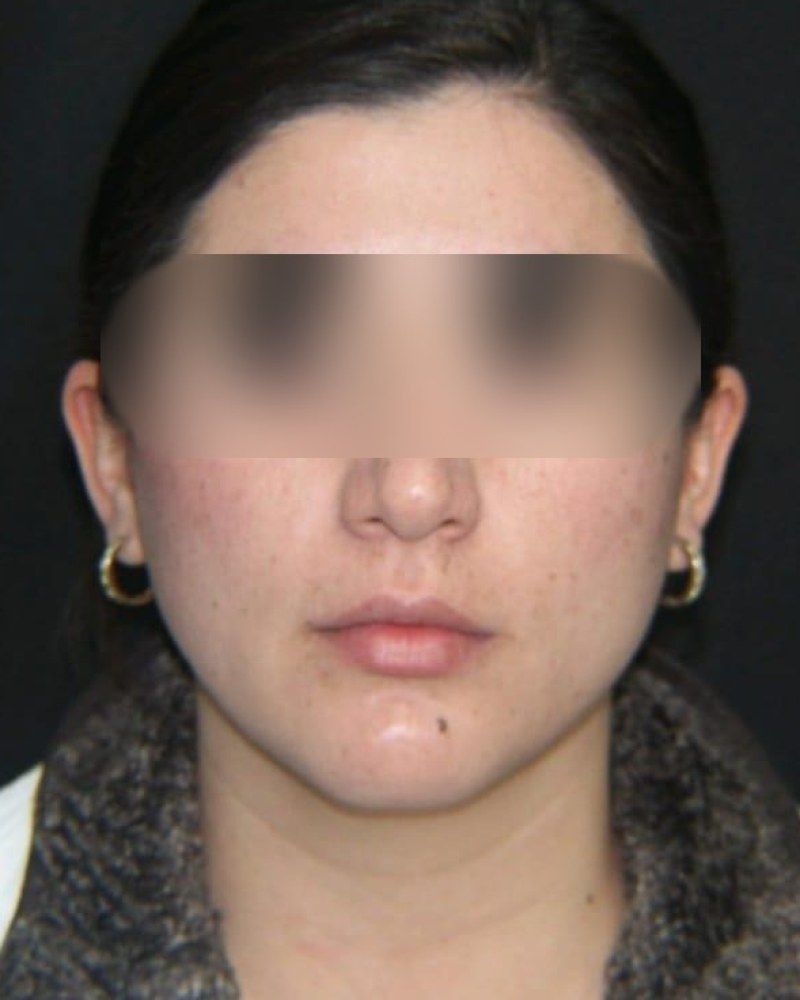 Before
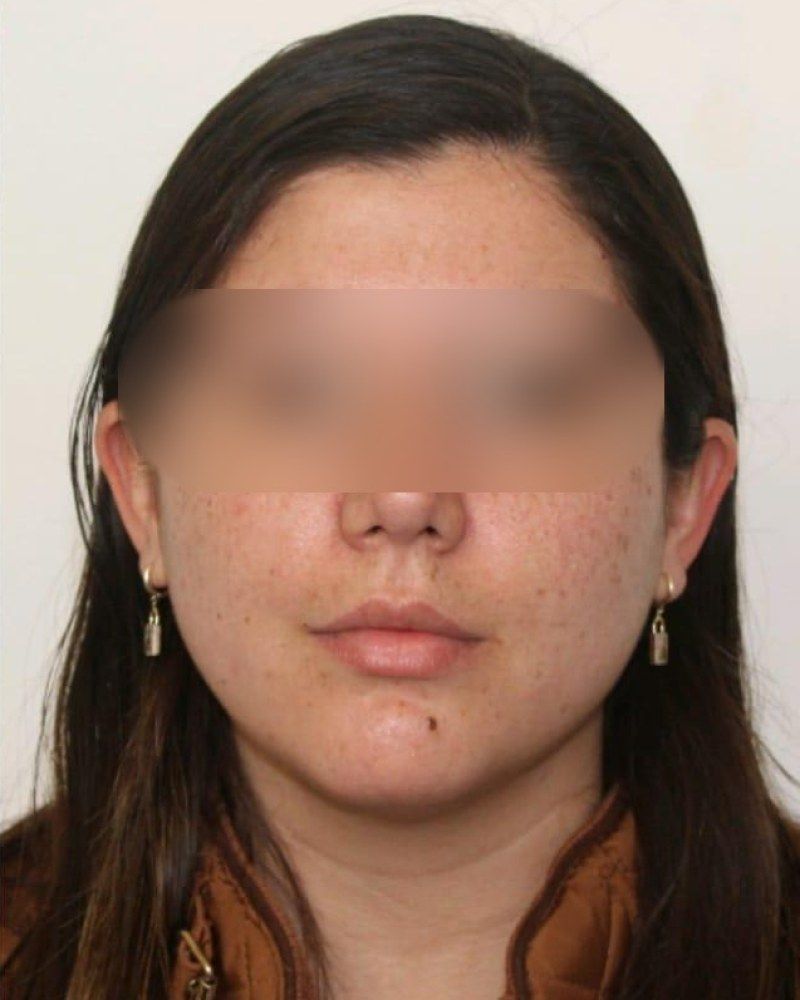 After
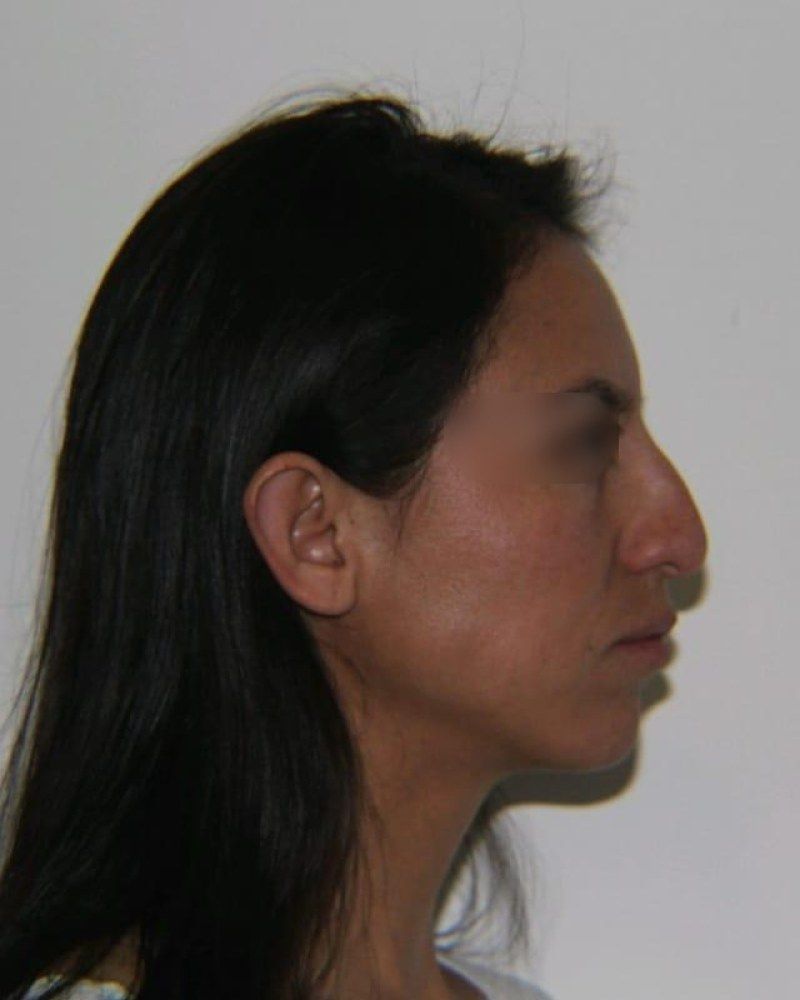 Before
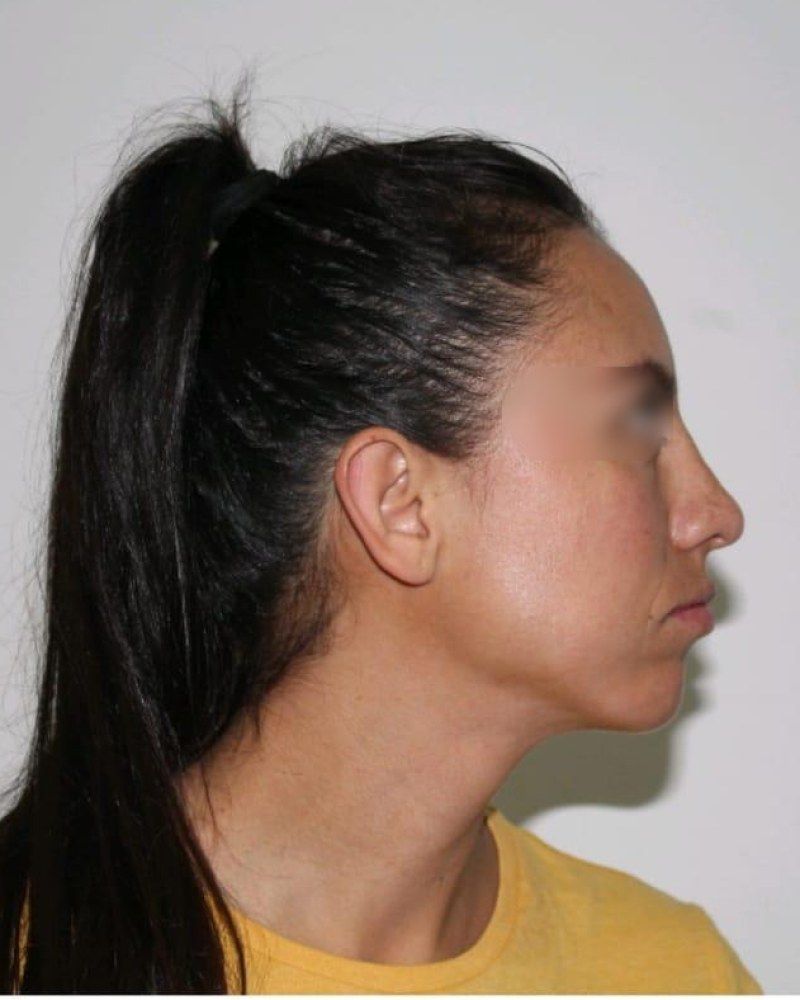 After
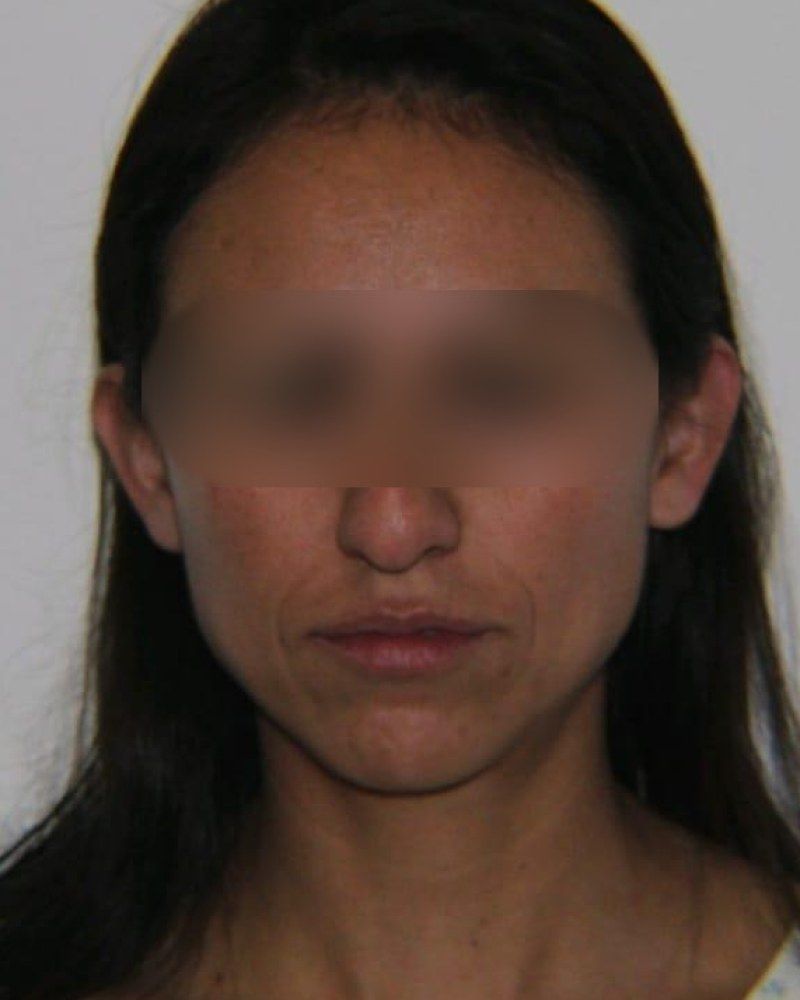 Before
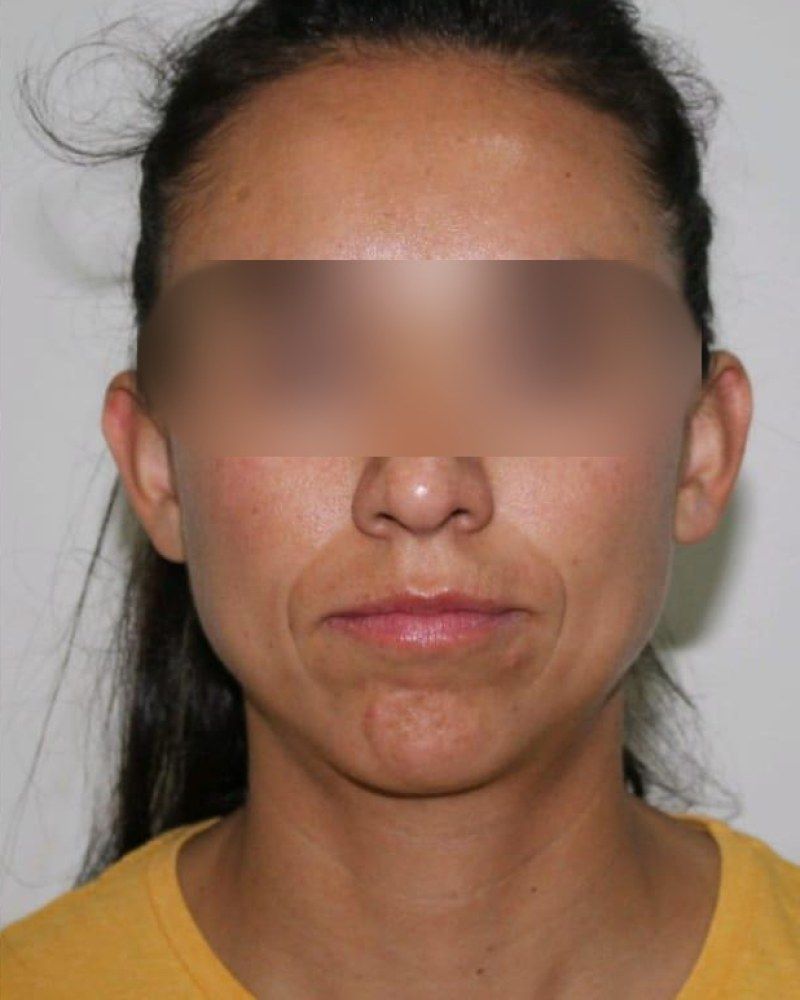 After
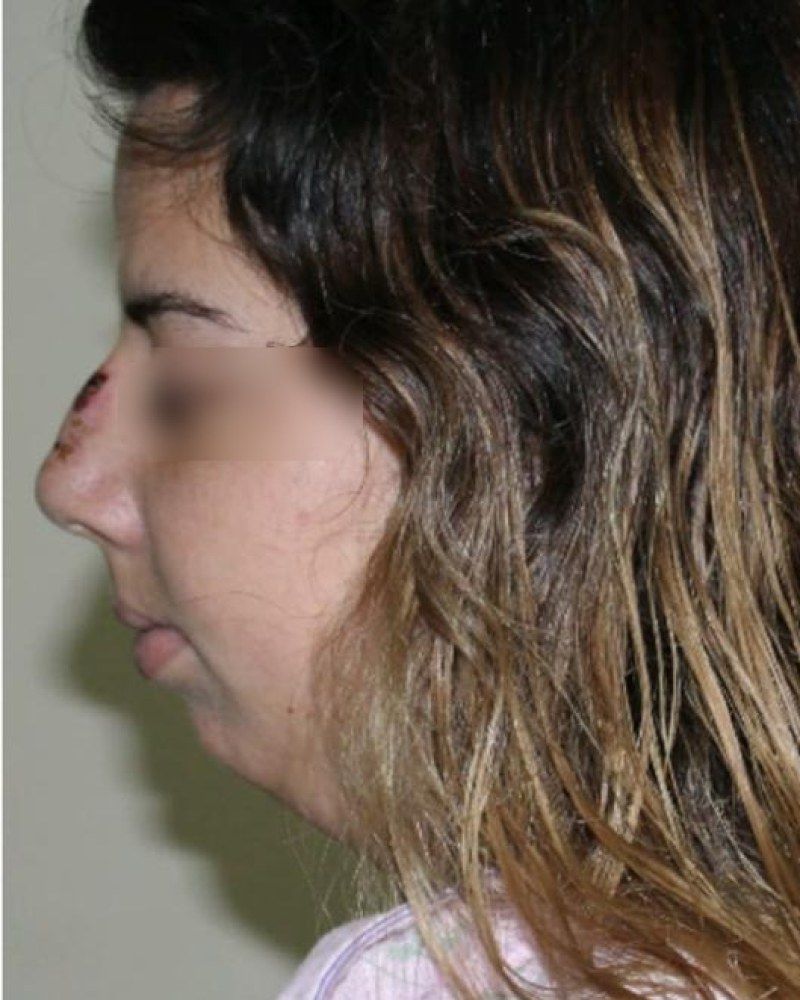 Before
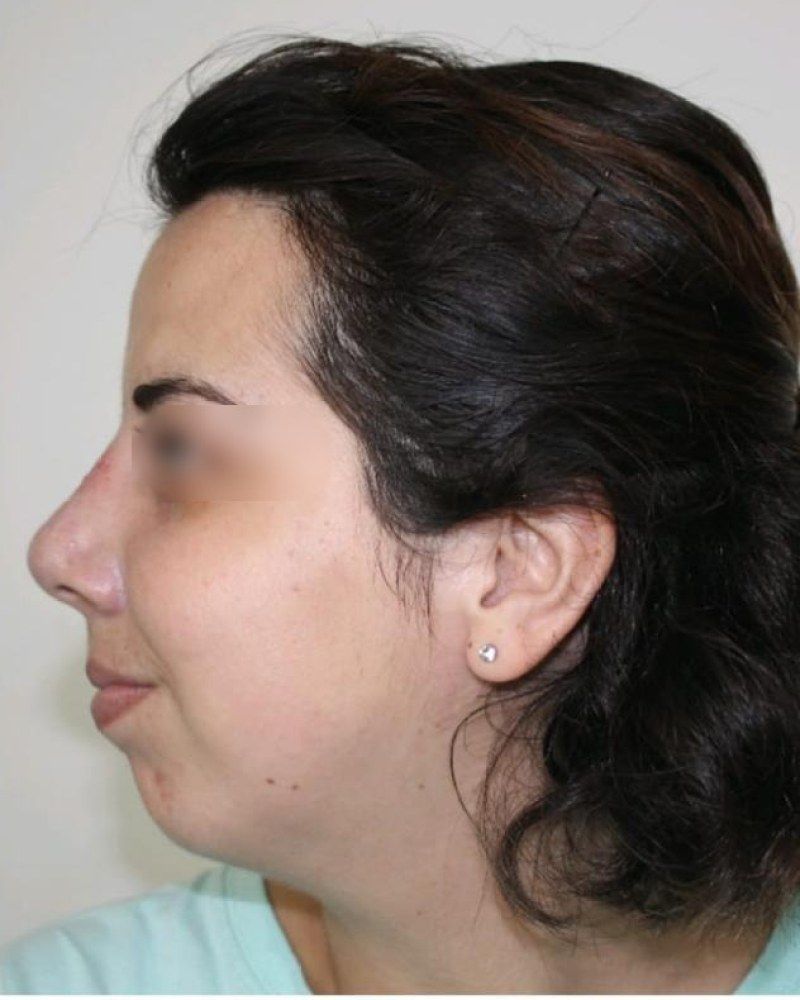 After
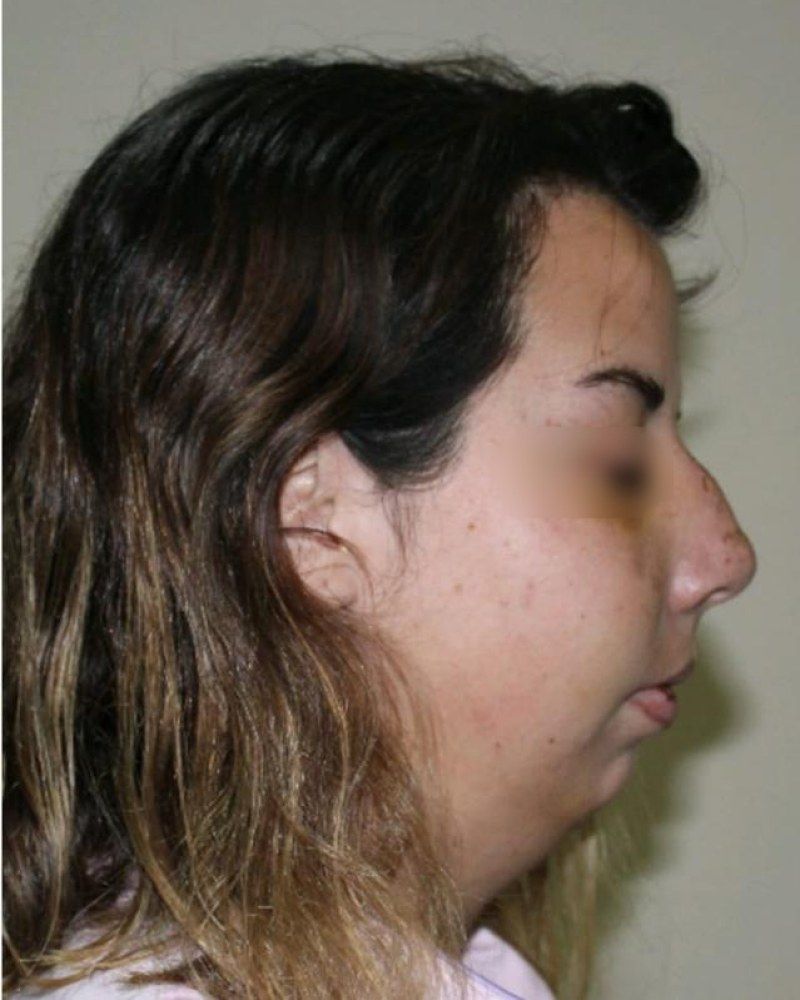 Before
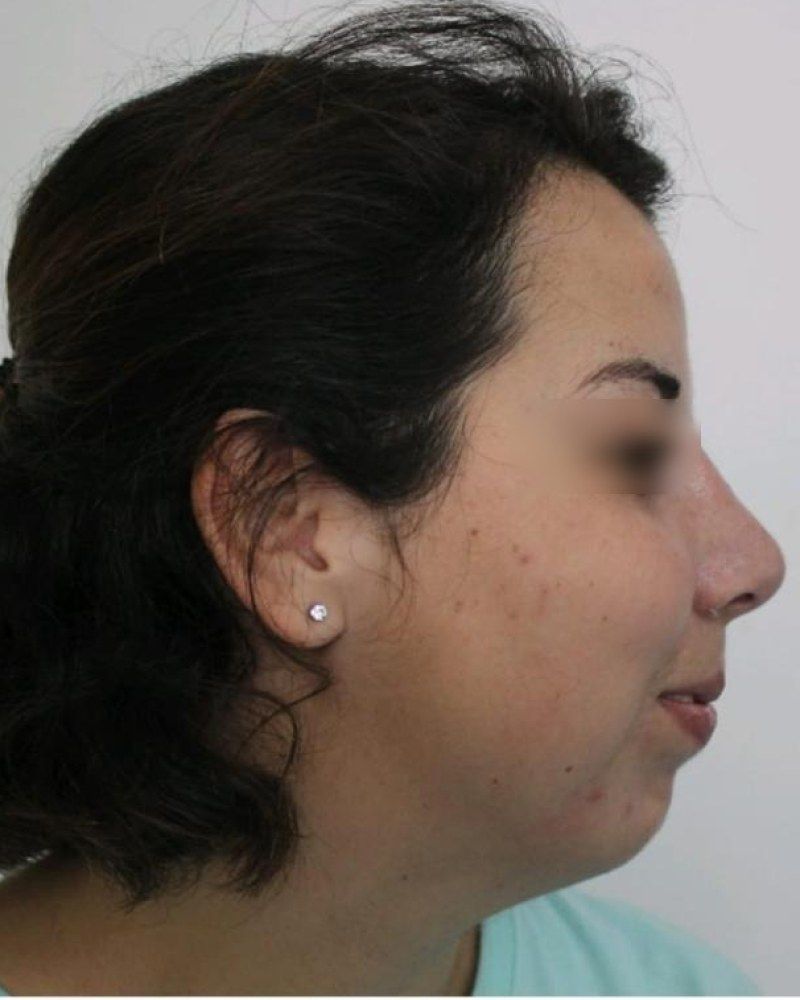 After