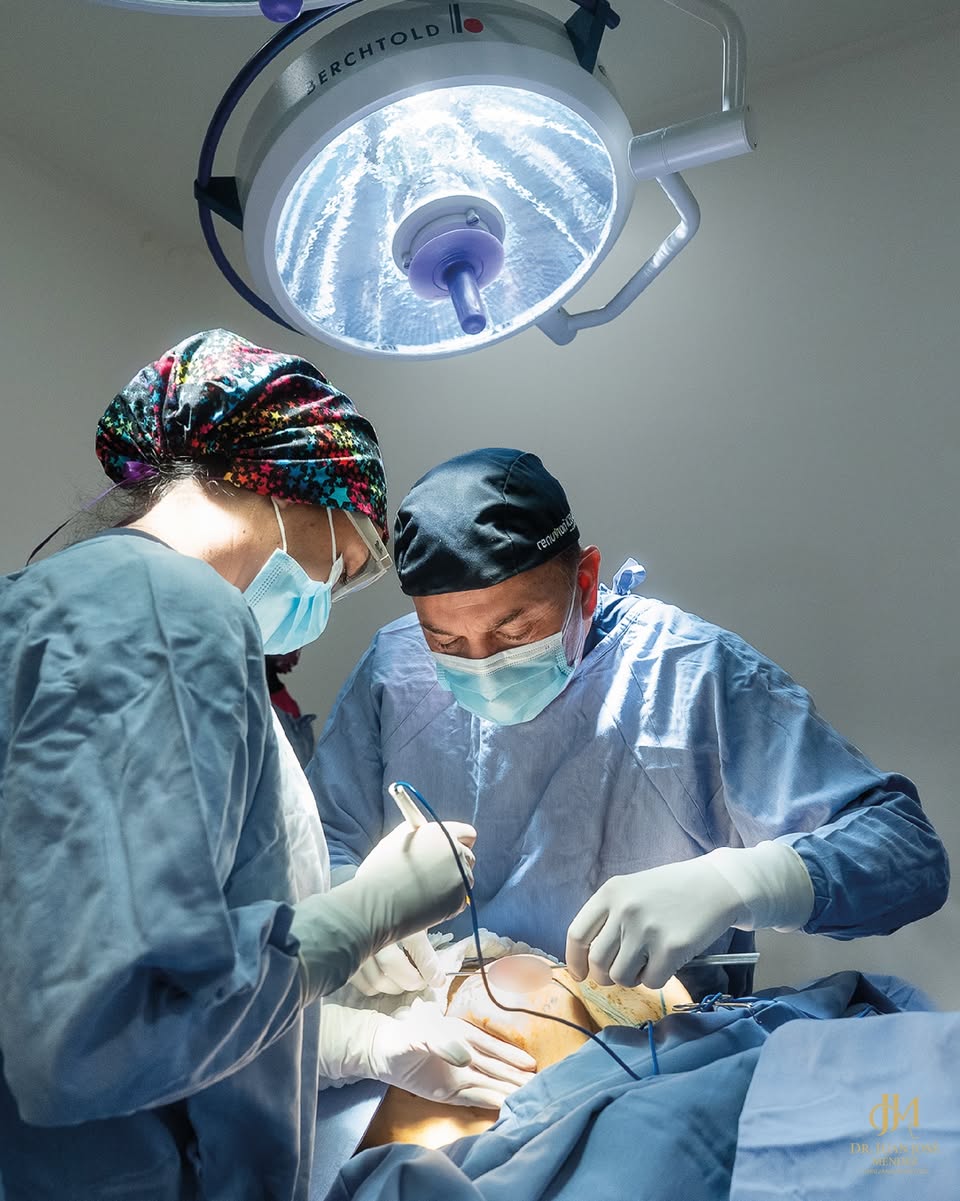
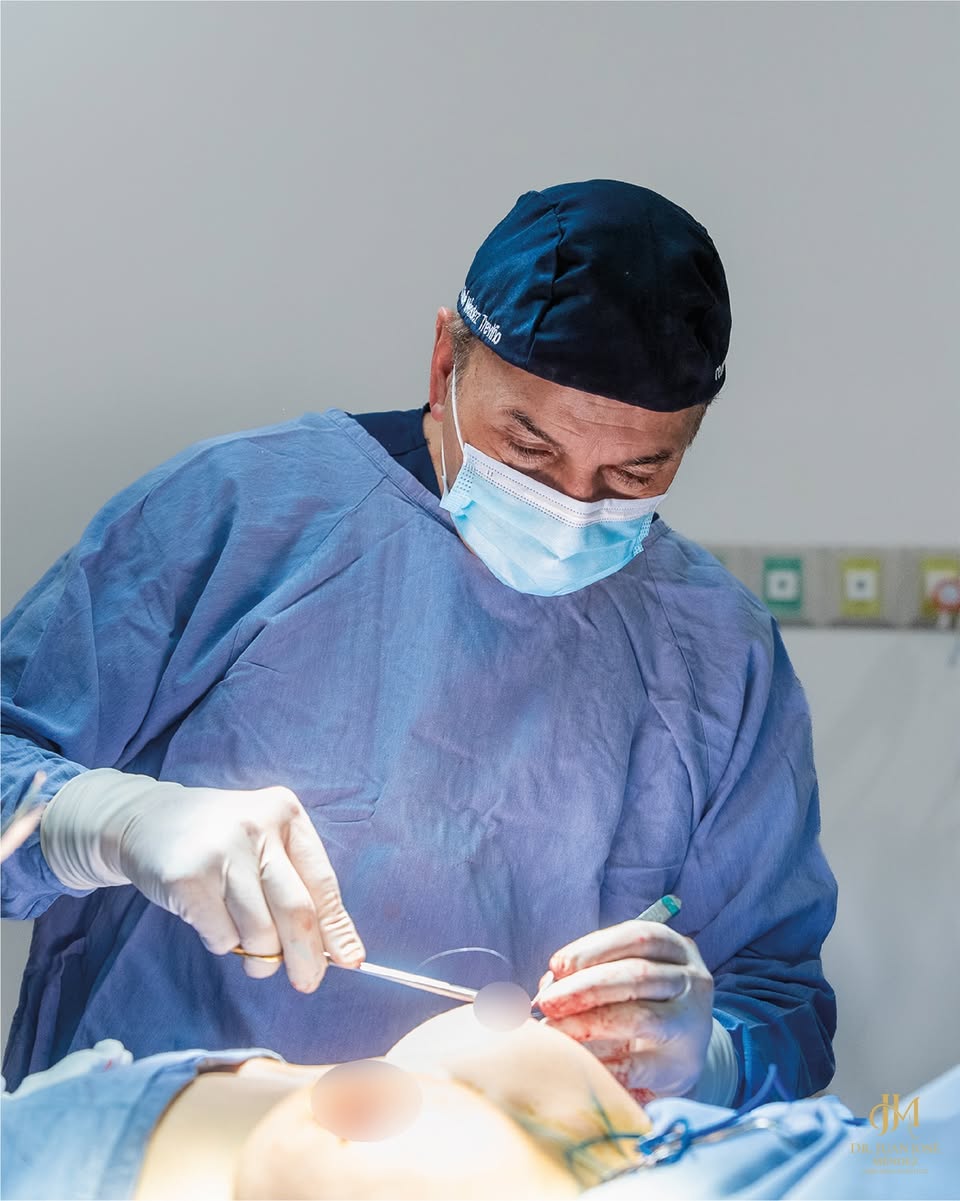
The root of the specialty: reconstruction after skin cancer, burn sequelae, hand surgery, breast and genital reconstruction, and scar treatment. Trained at Hospital General Dr. Rubén Leñero, with more than 30 years in practice.
To reconstruct is to restore form and function. It is often coordinated with oncologists, dermatologists or urologists, and planned in one or several stages.
Burn sequelae and contracted scars are treated with flaps, grafts and, when indicated, tissue expanders.
Is it for me?
Defects after skin cancer removal.
Sequelae of burns or trauma.
Breast reconstruction after mastectomy; hand injuries.
What you should know
How it is done, how to care for it, and what to expect.
General information so you arrive at your consultation with the right questions. Your plan is defined during the consultation.
Technique
Local and regional flaps; skin grafts.
Tissue expanders for extensive sequelae.
Breast reconstruction with implant, flap or fat.
Aftercare
Close monitoring during the first days.
Scheduled wound care.
Rehabilitation and scar care.
Results and how long they last
Restoring function and form with the fewest visible sequelae.
Risks and how they are reduced
Partial loss of the flap or graft, infection and the need for additional procedures.
Step by step
Recovery path: Reconstructive surgery
Day 1
Monitoring of the flap or graft.
Week 1
Wound care and suture removal.
Month 1
Rehabilitation depending on the area.
Month 3
Evaluation and possible touch-ups.
Approximate timelines. Your exact path depends on your case, the technique and how your body heals. Results vary.
Real cases
Results from Dr. Méndez's patients.
Real photographs shared with permission and faces covered, comparable with a before-and-after slider.